
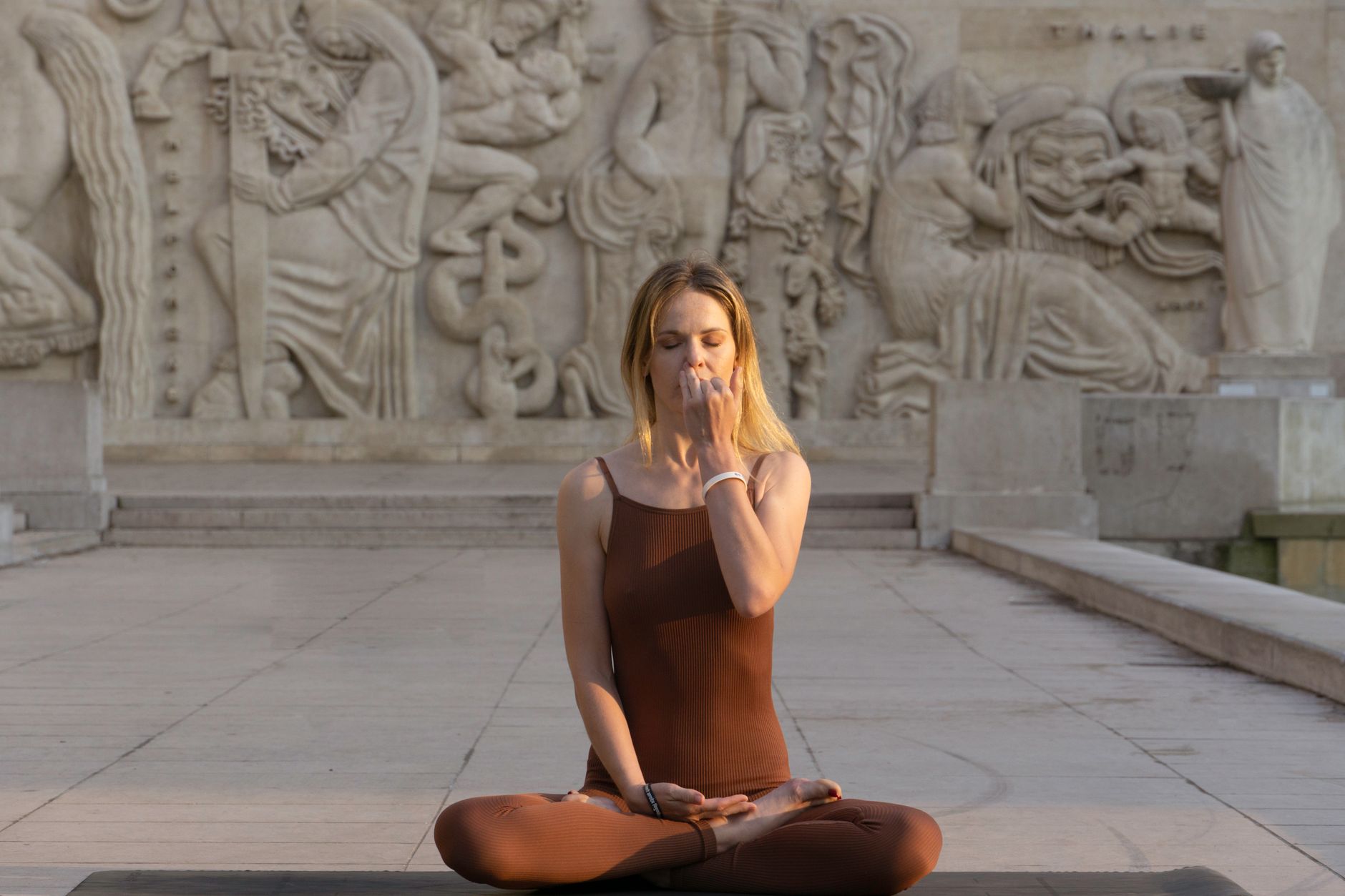
Breathwork is one of those holistic health practices that sounds deceptively simple until you actually try it. Using the breath as a tool to shift your mental, emotional and physical state has been part of healing traditions for thousands of years, and its resurgence in modern wellness circles is no coincidence. If you are new to breathwork, the range of techniques and big claims can feel overwhelming. This guide cuts through the noise and gives you a clear, honest starting point.
What breathwork actually is
Breathwork is an umbrella term for any intentional breathing practice used to influence how you feel. It ranges from simple, gentle techniques like box breathing to more intensive practices such as holotropic or rebirthing breathwork. At its core, the idea is that most of us breathe in shallow, unconscious patterns that keep our nervous systems in a low-grade stress response. By deliberately changing the rhythm, depth and pace of your breath, you can interrupt that pattern and create genuine shifts in how you feel in your body and mind.
Unlike many wellness practices, breathwork requires no equipment, no special location and no prior experience. That accessibility is part of why it fits so naturally into a broader approach to holistic health, sitting alongside practices like meditation, sound healing and time in nature.
The main techniques for beginners
There are a handful of breathwork styles that are well-suited to beginners. Start with one, practise it consistently for a week or two, and notice what it does before moving on to anything more intense.
- Box breathing: Inhale for four counts, hold for four, exhale for four, hold for four. Repeat for five to ten minutes. This is commonly used by athletes and emergency workers to quickly calm the nervous system.
- 4-7-8 breathing: Inhale for four counts, hold for seven, exhale slowly for eight. The extended exhale activates the parasympathetic nervous system and is particularly useful before sleep.
- Diaphragmatic breathing: Sometimes called belly breathing, this involves breathing deeply enough that your abdomen rises before your chest. Most adults breathe into their chest only, which keeps the body in a subtly stressed state. Diaphragmatic breathing is the foundation of almost every other technique.
- Alternate nostril breathing: Drawn from yogic tradition, this involves closing one nostril at a time while breathing through the other. It is said to balance the left and right hemispheres of the brain and is excellent for focus and mental clarity.
- Coherent breathing: Breathing in and out at a steady rate of about five to six breaths per minute, which research suggests brings heart rate variability into an optimal range. This is gentle, sustainable and suitable for daily practice.
What to expect in your first few sessions
Your first experiences with breathwork may feel a little strange. It is common to notice tingling in your hands or lips, mild lightheadedness, or an unexpected emotional response. These are normal. Tingling is often caused by a temporary shift in carbon dioxide levels as you breathe more deeply than usual. Lightheadedness passes quickly when you return to normal breathing. Emotional responses, including unexpected tears or a feeling of release, reflect the fact that breath and emotion are deeply connected in the body.
What you are unlikely to feel after a gentle beginner session is nothing. Most people notice at least a mild shift in their state: a slight softening in the shoulders, a quieter mind, or a clearer sense of being present. That subtle effect is the starting point. With practice, it becomes more reliable and more pronounced.
If you find it difficult to sit still with your breath, you might find that pairing breathwork with a broader wellness practice helps. Many people who attend a mindfulness retreat discover breathwork for the first time in that setting, where guided instruction and a calm environment make the experience much easier to access.
How to build a sustainable breathwork habit
The most common mistake beginners make is practising only when they are already stressed, treating breathwork as a rescue tool rather than a preventative one. It works in both contexts, but a consistent daily practice compounds over time in ways that occasional use does not.
Start small. Five minutes in the morning before you check your phone is enough to set the tone for the day. Pair it with something you already do, like sitting up in bed before you rise, or settling into a chair before your first coffee. Attaching a new habit to an existing anchor is one of the most reliable ways to make it stick.
A quiet, undistracted environment helps enormously, especially at first. If your attention is constantly pulled by notifications, the practice becomes fragmented. This is one of the reasons a digital detox retreat can be such a powerful context for deepening breathwork: the absence of screen noise lets you drop into the practice in a way that is genuinely difficult in ordinary daily life.
Breathwork and the nervous system
Much of breathwork's power comes from its direct relationship with the autonomic nervous system. The breath is the one bodily function that sits at the intersection of the voluntary and the involuntary. You can control it consciously, or let it run on autopilot. That dual nature means the breath is a lever you can use to deliberately shift your body out of a sympathetic (fight-or-flight) state and into a parasympathetic (rest-and-digest) state.
Slow, extended exhales are the most reliably calming because they directly stimulate the vagus nerve, the primary pathway of the parasympathetic nervous system. This is why a long, slow breath out is the single fastest thing you can do to reduce an acute stress response. The science behind this mechanism is well-established, even if the wider world of breathwork extends into less-researched territory.
When to seek guided instruction
Gentle techniques like box breathing and diaphragmatic breathing are safe for almost everyone to try independently. More intensive practices, such as holotropic breathwork or anything involving hyperventilation, are best experienced first with a trained facilitator in a supported setting. These deeper styles can surface strong emotional material, and having a knowledgeable guide present makes that a healing experience rather than an unsettling one.
If you have a history of cardiovascular conditions, epilepsy, severe anxiety, or are pregnant, speak with a health professional before starting any breathwork practice beyond basic slow breathing. This is a precaution, not a barrier. Most people can practise breathwork safely; it simply pays to be informed.
A final note on patience
Breathwork is one of those practices that rewards patience. The first session may feel awkward or subtle. The fifteenth session will feel different. Give yourself the grace of a learning curve. You have been breathing unconsciously your whole life. Learning to breathe with intention is a genuinely new skill, and like any skill, it deepens with practice, curiosity and time.