
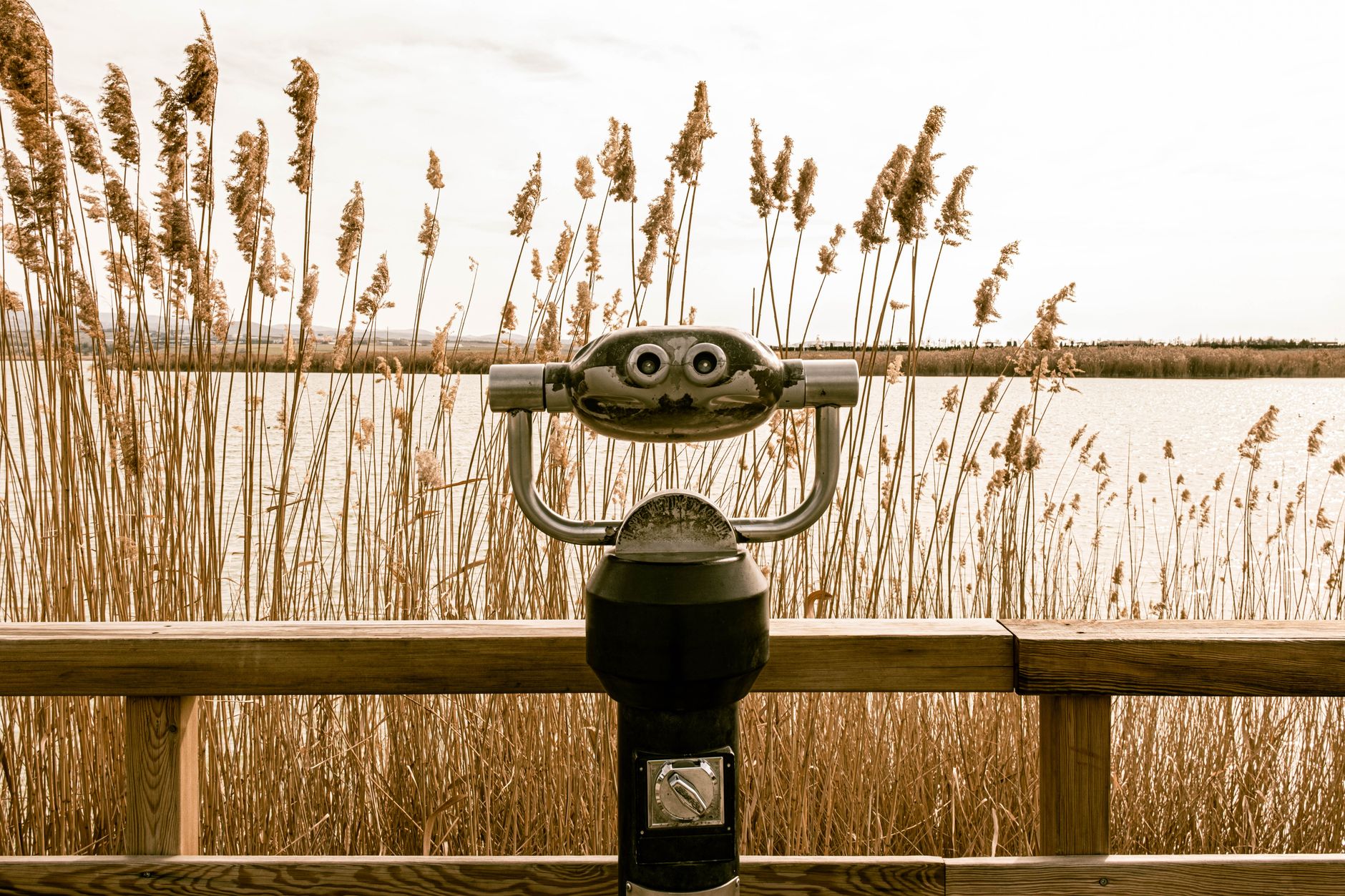
Birdwatching at Rainbow Beach puts you in one of Queensland's most productive wildlife corridors without any effort to get there. The Cooloola Coast, which stretches north from Noosa into Great Sandy National Park, combines ocean beach, freshwater lakes, wallum heathland and paperbark swamp within a few kilometres of each other. That habitat variety means more than 300 bird species have been recorded across the region, from migratory shorebirds that arrive from Siberia to sedentary honeyeaters that rarely leave their patch of banksia scrub.
You don't need specialist equipment or years of experience. A pair of binoculars and a willingness to slow down is enough to turn a morning walk into something genuinely memorable. And given that Rainbow Beach rewards those who look closely at its natural environment, birdwatching fits neatly into a broader visit. If you're planning time here with nature at the centre, the things to do near Rainbow Beach for nature lovers gives useful context for combining birding with the rest of what the area offers.
Best spots for birdwatching around Rainbow Beach
The beach itself is the obvious starting point, and low tide is when it earns its reputation. Eastern curlews probe the wet sand along the waterline, their long decurved bills unmistakable. Sooty oystercatchers work the rock platforms at Carlo Point with methodical precision. Terns rest in groups just above the tideline: crested terns are resident year-round, while little terns appear during spring and summer to breed on exposed sandbanks.
Freshwater Lake (officially Lake Poona) is a short walk from the township and offers a completely different set of species. Azure kingfishers hunt the shadowed edges of the lake. Pacific herons stand motionless in the shallows. Nankeen night herons roost in the paperbarks through the day, often overlooked because they sit so still. Get there at dawn and you'll hear the lake before you see it.
The wallum heathland between the lakes and the dunes is where experienced birders spend the most time. It hosts a suite of heathland specialists that aren't reliably found anywhere else nearby. The ground parrot is the most sought-after: a shy, cryptic species that flushes from the grass at the last second and drops back in almost immediately. Tawny-crowned honeyeaters, white-cheeked honeyeaters and the tiny southern emu-wren all live here. The emu-wren, with its filamentous tail feathers, is one of the most distinctive small birds in Australia.
Which species to expect by season
Spring and early summer (September through December) bring migrant shorebirds back from their northern breeding grounds. Bar-tailed godwits stop along the beach as they move through. Red-necked stints gather in small flocks. Several species are listed under the East Asian-Australasian Flyway, and the Cooloola Coast is a designated stopover site, which is part of why the area sees birds that can feel genuinely out of place on a Queensland beach.
Autumn and winter are quieter in terms of migrant numbers but often better for resident species. Wedge-tailed eagles patrol the heath on calm mornings. Osprey fish the lake systems. The glossy black-cockatoo, which feeds almost exclusively on sheoak seed cones, is more reliably seen from April to August when other food sources thin out. It's a large, dark bird with a slow, rolling flight, and worth watching for whenever you're near sheoak stands east of the main road.
Year-round, the white-bellied sea eagle is the species most people photograph first. Rainbow Beach offers long sightlines over both the ocean and the lakes, and the sea eagle uses both. Pairs are typically resident across a large home range, and early morning is when they're most active.
Practical tips for a better morning out
Go early. That's the single most reliable piece of advice. The two hours after sunrise produce more bird activity than the rest of the day combined, particularly in warmer months when birds rest through the heat. Carry water. The heath tracks don't have shade.
Move slowly and stop often. Most birders cover less than two kilometres in a productive two-hour session. Speed is the enemy of sightings. Stand at the edge of a vegetation transition, where heath meets paperbark or where dune scrub meets open sand, and let the birds come into view on their own terms.
A field guide helps more than most beginners expect. The BirdLife Australia website carries species accounts and range maps that are useful for planning before you go. The organisation also runs citizen science programs that let you submit sightings formally, which contributes to long-term monitoring of Cooloola's shorebird populations.
Weather matters. Overcast mornings with no wind are the most productive conditions: birds call more, move more and are easier to locate. A strong onshore wind suppresses activity considerably. Rain showers often produce a burst of feeding behaviour once they pass, so don't pack up too quickly if a brief shower moves through.
How birdwatching fits into a wellness-focused visit
There's a reason birdwatching is increasingly discussed in conversations about nature-based health practices. The combination of focused attention, gentle movement, early rising and time in natural environments produces measurable reductions in cortisol and improves mood in ways that sit alongside more formal wellness practices. It's active observation without competitive pressure. You can't force a sighting, and that constraint has a way of teaching patience.
If you're at Rainbow Beach as part of a broader reset, birdwatching slots in without disrupting the quieter rhythms of a restorative stay. A two-hour walk at dawn leaves the rest of the morning completely open. For those thinking about the relationship between nature immersion and recovery, the research on a Rainbow Beach wellness itinerary offers ways to structure the whole visit around that kind of intentional pace.
The Cooloola Coast doesn't require any particular credential to reward you. It asks only that you show up with some patience and a willingness to look. The birds do the rest.