
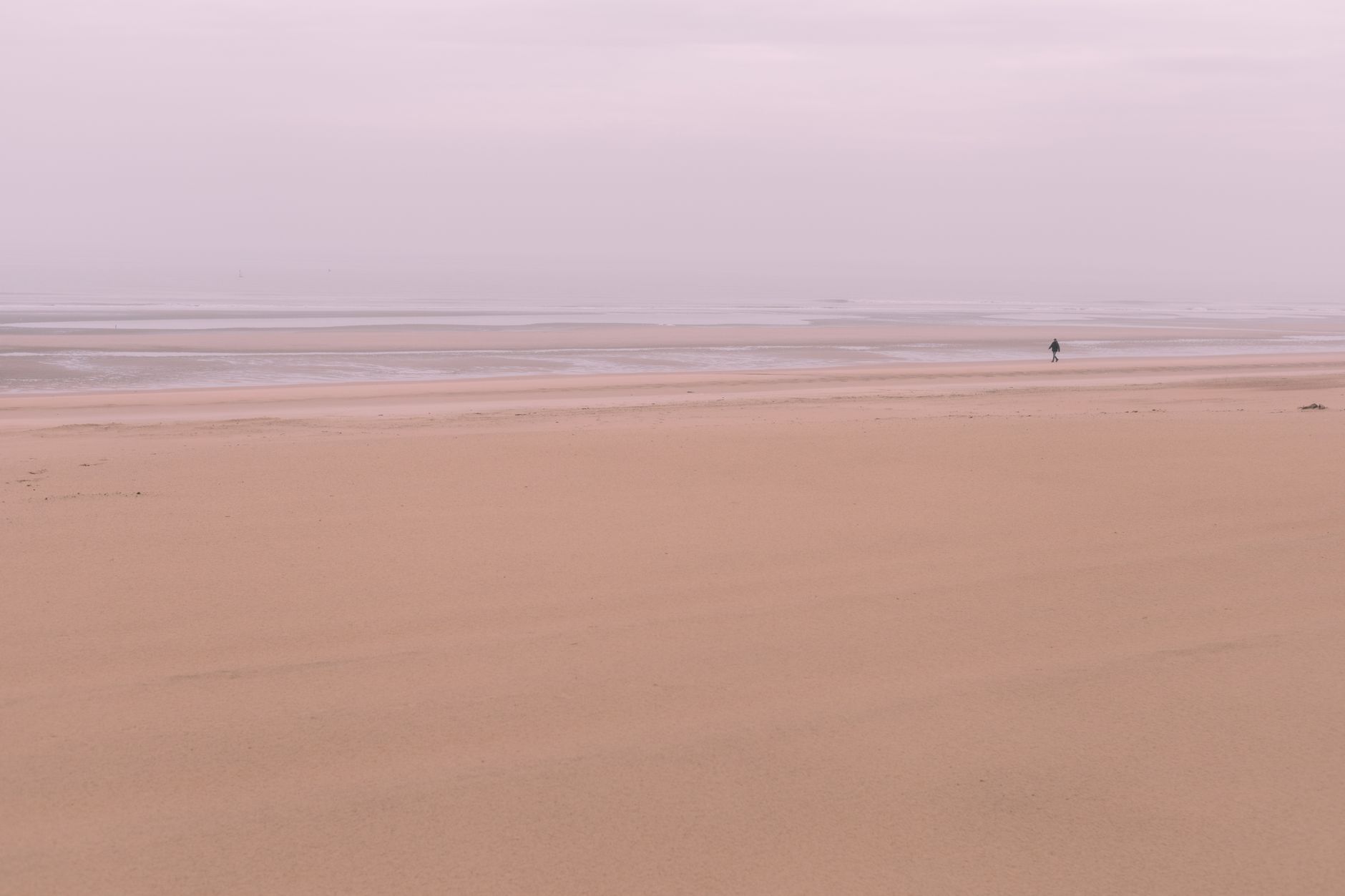
Walking Rainbow Beach at low tide is a different experience from a standard beach stroll. The receding water exposes a firm, wide band of sand that stretches south along the Cooloola Coast, and what you find on it changes by season, by hour and by how slowly you're willing to move. Most visitors arrive around midday, when the crowds peak and the tide is often mid-range. The people who get up early and check the tide chart before they leave the house see a completely different beach.
When low tide happens and why it matters
Rainbow Beach experiences a semi-diurnal tidal pattern, meaning there are typically two low tides every 24 hours. The difference between high and low water on the Cooloola Coast can be close to 2 metres, which translates to a dramatic shift in usable beach width. At low tide, the exposed sand can stretch 40 to 60 metres wider than at high tide, depending on the beach gradient and the season.
The most useful low tides for walking are the morning ones. Light is better for spotting shells and birds. The sand is firmer. You're less likely to share the flats with 4WD traffic, since most beach drivers start later in the day. Check the Queensland Government tide times before you head out. The difference between a low tide at 6 am and one at 11 am is often the difference between having the beach to yourself and walking alongside a convoy.
What's actually on the low-tide flats
The exposed sand at low tide isn't just more beach. It's a different habitat. Wading birds that can't feed at high water move in fast. You'll spot Eastern Reef Egrets picking their way along the water's edge, and in winter, Bar-tailed Godwits foraging through the wet sand before continuing their migration north. Pied Oystercatchers nest on the upper beach and feed on the flats. Walk quietly and you can get within 10 metres without flushing them.
Shells accumulate in distinct rows where wave energy deposited them. Olive shells, volutes and the occasional Baler shell turn up on Rainbow Beach's lower flats after a rough sea night. The coarse, mineral-rich sand that gives Rainbow Beach its famous coloured cliffs also produces distinctive sand ripple patterns in the shallows, particularly visible at low tide when the water is ankle-deep and still. For those interested in the full ecological and sensory richness of this coastline, Rainbow Beach's nature lover's guide to the Cooloola Coast gives broader context for what you're walking through.
The cliff reflection window
One thing photographers know and casual walkers miss: the low-tide wet sand creates a near-perfect mirror for the coloured cliffs. The ochres, reds and whites of the dune face reflect cleanly in the thin film of water left on the sand as the tide retreats. This window lasts roughly 30 to 45 minutes after low tide, before the sand dries out and the reflection disappears. It's best during the golden hour after sunrise, when the angle of light hits the cliff face directly. You don't need a camera to appreciate it. Stand still for a minute and look down at your feet.
Low-tide hazards worth knowing
A wider beach feels safer. It isn't always. Rip currents don't disappear at low tide; they change location. The gutters that drain water back to sea shift with every tidal cycle, and what was a flat, calm entry point at dawn can develop into a channel by mid-morning. The exposed reef near Double Island Point also becomes accessible at very low tides, but the rocks carry sea lice and are sharper than they look. Reef shoes are worth the inconvenience.
Bluebottles strand on the lower beach during and after north-easterly winds, often in greater numbers at low tide when the wind-driven surface drift deposits them. They're easy to spot but easy to step on when you're looking up at the cliffs. Watch the wet sand directly in front of you, especially between August and March. For a full picture of water conditions and seasonal swimming considerations at Rainbow Beach, the guide to swimming at Rainbow Beach covers rips and seasonal tips in detail.
A practical low-tide walk route
Start at the main beach access in the Rainbow Beach township and walk south toward the coloured cliffs. The cliffs are closest to the water at low tide, and in some sections you can walk directly beneath them on sand that's fully submerged at high water. This stretch runs for about 1.5 kilometres and ends where the cliff face meets a rocky outcrop. Don't attempt to go further south on foot; the terrain becomes unstable and the path is vehicle-only.
Turn around before the tide turns. Give yourself a 90-minute buffer from low tide, particularly if you've walked any distance. The incoming tide on a steep beach can cut off your return route faster than it looks from a distance. Bring water, shoes that can get wet, and a hat. The beach offers no shade at all.
What time of year is best
Winter low tides (June to August) are the most comfortable for walking. Temperatures stay in the mid-20s, winds come from the south, and the migratory shorebird species are at their most active. The minus-tide mornings in June and July expose the deepest sections of the lower flats, sometimes revealing subtidal sand formations that are only visible 3 or 4 times a year. Spring (September to October) brings humpback whale activity in the waters just offshore, visible from the beach during a low-tide walk if you face seaward and look for spouts. Bring binoculars.
Summer low tides can coincide with the best light, but the heat and humidity limit how far most people want to walk. A 6 am start solves this. The beach is at its quietest between May and September, which makes the low-tide window genuinely peaceful rather than just logistically convenient.
Low tide at Rainbow Beach is worth building your day around, not just tolerating as a backdrop to other plans.