
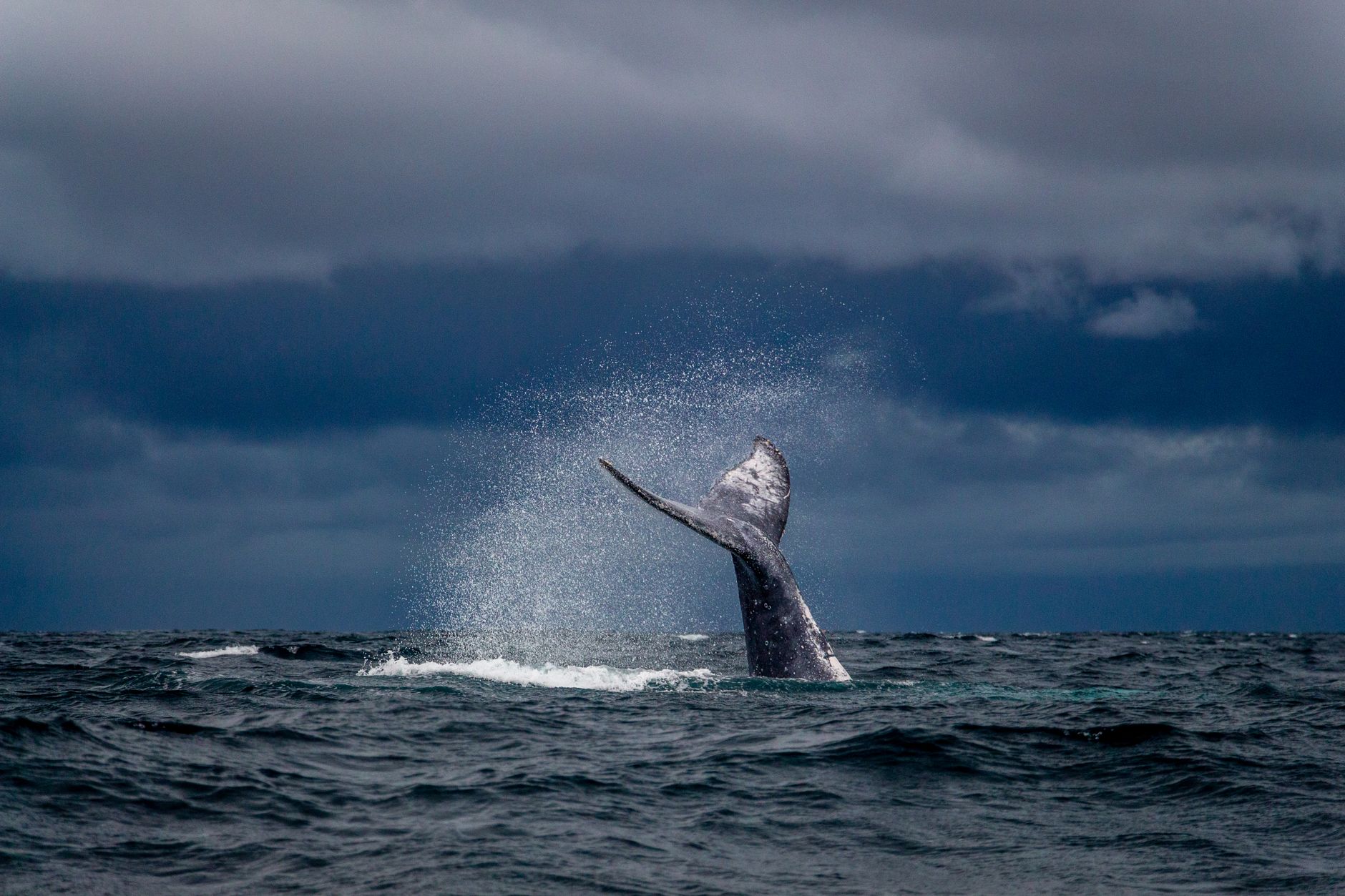
Whale watching at Rainbow Beach is one of those experiences that catches people off guard. You come for the coloured sand cliffs and the quiet surf, and then a humpback breaches 200 metres offshore and the whole day shifts. The Cooloola Coast sits squarely on the east Australian migration corridor, which means you don't need a boat, a guided tour, or even much luck during peak season. You just need to know where to stand and when.
When humpback whales pass through Rainbow Beach
The humpback migration runs in two phases. Whales travel north from Antarctic feeding grounds between June and August, then turn around and head south with their calves from August through to November. Rainbow Beach gets both legs of the journey. The peak window for sightings from shore is roughly late July to mid-October, with September being the single most reliable month. Calves are more active in the southward run, and it's common to see mothers and newborns rolling and breaching close to the beach.
Water temperature is the reliable signal: when sea surface temps drop below 22°C, the whales are moving. Local whale numbers have grown steadily since the 1986 commercial whaling moratorium. Australia's east coast humpback population now sits above 40,000 animals, which is why sightings from land have become so consistent along this stretch of coast.
The best spots to watch from shore
Carlo Sandblow is the most reliable land-based vantage point near Rainbow Beach township. The elevated dune platform puts you 120 metres above sea level with an unobstructed view north and south along the coast. Bring binoculars. A 10x42 pair is enough to pick up a blow from 2 kilometres out, which gives you time to track the whale and position yourself before it surfaces again.
Double Island Point, about 12 kilometres south of town, is worth the drive or the 4WD run along the beach. The lighthouse headland gives you a wider arc of ocean and the calmer water in the lee of the point often draws whales in close. Early morning is quietest, and the flat light makes it easier to spot a blow before the sun rises too high. It's one of the things to do near Rainbow Beach that nature lovers tend to rate above everything else once they've done it.
Rainbow Beach itself, the stretch running north from the boat ramp, works well too. The water is shallow and clear, and whales following the 20-metre depth contour pass within comfortable viewing distance. Mid-morning on a calm day is ideal. Choppy conditions make it harder to spot the low-profile blow of a mother resting at the surface.
Joining a tour versus watching from land
Boat-based tours depart from Tin Can Bay, roughly 18 kilometres south of Rainbow Beach, and from Noosa, about 75 kilometres south. Both run half-day trips during migration season. Tin Can Bay is the more convenient option if you're staying locally, and the shorter transfer time means more time on the water. Tours are permitted to approach within 100 metres of a whale under Australia's national whale watching guidelines, which puts you considerably closer than any cliff-top vantage will allow.
That said, land-based watching has its own advantages. It's free, it's unhurried, and you can spend three hours at Carlo Sandblow without feeling like the boat needs to turn back. For guests staying at Spirit of Rainbow for a longer retreat, combining a slow morning at the sandblow with an afternoon on the beach makes for a genuinely restorative day.
What to bring and how to prepare
Layers matter more than most people expect. Rainbow Beach mornings in winter are clear and cool, and the wind off the ocean drops the temperature fast. A light fleece and a wide-brimmed hat cover both ends of the day. Sunscreen is non-negotiable by 9 a.m., even in June.
Binoculars are worth borrowing or buying for a dedicated whale day. Phone cameras struggle to pick up a blow at distance, though they work well enough once a whale is actively breaching near shore. If you want better results, a mirrorless camera with a 200mm or longer lens will capture something worth keeping.
Patience is the actual requirement. Humpbacks don't perform on schedule. You might wait 40 minutes and see three whales in 10 minutes, or you might spend two hours watching a flat horizon. Either way, Carlo Sandblow is a pleasant place to wait. Pair it with a picnic and leave the agenda behind.
Making whale watching part of a longer stay
Whale season overlaps with some of Rainbow Beach's best weather: clear skies, manageable crowds, and the kind of stillness that makes a longer stay feel worthwhile. If you're planning a few days around the wildlife, a Rainbow Beach wellness itinerary can fold whale watching into a broader schedule of beach walks, forest trails, and proper rest.
Spirit of Rainbow provides quiet, private accommodation in the heart of Rainbow Beach, within easy reach of all the main viewing spots. The retreat setting suits the pace that whale watching asks of you: slow, present, and genuinely tuned in to the natural world. Book during the July-to-October window and the migration does most of the work.
Humpbacks are not a guaranteed attraction. But on this stretch of Queensland coast, during the right months, they're about as close to reliable as wild animals get. Show up, look out, and wait.