
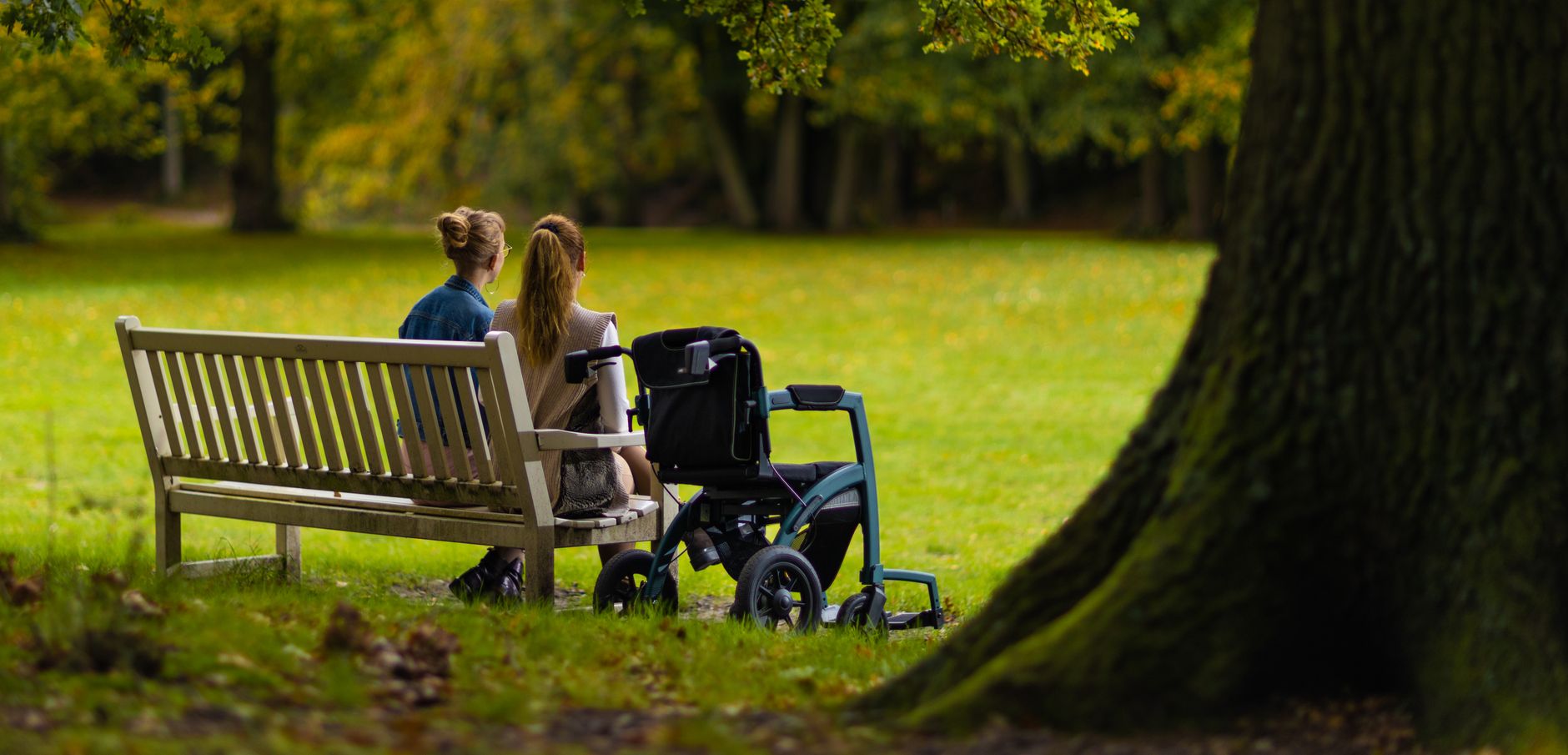
Carer self-care is not a luxury. When you are responsible for another person's wellbeing, your own physical and emotional reserves are the foundation that everything else rests on. Without regular replenishment, even the most dedicated carer will eventually find that foundation eroding. The tips below are grounded in what actually works for people doing real, demanding care work, not an idealised version of it.
Why carers struggle to prioritise themselves
Most carers know, in theory, that they need to look after themselves. The reality is more complicated. Guilt plays a large role. Stepping away, even briefly, can feel like abandonment. Many carers also carry the unspoken belief that putting themselves first is somehow selfish, when in truth the opposite is true: a depleted carer is less present, less patient and less capable of providing quality care. Understanding carer burnout: what it is and how to recover from it is a useful starting point, because recognising the warning signs early gives you more options before exhaustion becomes crisis.
There is also a practical barrier. Many carers genuinely cannot see how they could carve out time for themselves. The schedule feels immovable, the needs feel constant, and self-care looks, from the outside, like an indulgence that assumes free time they do not have. The good news is that meaningful self-care does not require large blocks of free time. Small, consistent habits compound over weeks and months into real resilience.
Physical self-care: keeping your body functional
Carers are prone to neglecting their own medical appointments, skipping sleep to catch up on tasks, and eating whatever is quickest. Over time, these habits accumulate into physical depletion. A few anchoring habits can interrupt that pattern:
- Protect your sleep above almost everything else. Sleep deprivation impairs judgement, emotional regulation and physical immunity faster than any other deprivation. If nighttime interruptions are unavoidable, a short rest during the day can partially offset the deficit.
- Keep your own GP appointments. Carers frequently reschedule or cancel their own health checks. Treat these appointments as non-negotiable commitments, the same way you would treat appointments for the person you care for.
- Move your body, even briefly. A 20-minute walk is not a workout plan, but it is a genuine mood regulator. Fresh air, rhythmic movement and a change of scene all signal safety to a nervous system that may be stuck in a low-grade stress response.
- Eat something real at each meal. Not perfect, just real. Nourishing food does not need to be elaborate. Simple, whole foods eaten without distraction are enough to support your energy and mood.
Emotional self-care: processing what you carry
Caring for someone you love, or someone in significant need, is emotionally complex. There is grief, frustration, tenderness, exhaustion and love, often all at once. Without any outlet for those emotions, they tend to turn inward. Emotional self-care is about creating safe containers for what you carry.
Journalling is one of the most underrated tools available. It does not require a therapist's appointment or a friend's availability. Even five minutes of unfiltered writing before bed can shift the emotional load enough to improve sleep and reduce morning dread. If writing does not suit you, voice memos can serve the same purpose.
Connection with other carers matters too. Peer support, whether through a formal group or an informal network, offers something that friends and family often cannot: the relief of being truly understood. Sharing your experience with someone who genuinely gets it, without having to explain the details, is its own form of restoration.
Consider also how learning to avoid burnout before it takes hold can give you a framework for recognising your own stress signals earlier, which is far easier to act on than waiting until you hit a wall.
Practical strategies for finding time
Time is the resource carers feel they have least of. But often there are small pockets available that go unnoticed or get filled with scrolling, worry or low-value tasks. A few approaches that help:
- Audit your week honestly. Before assuming there is no time, track how your hours are actually spent for a few days. Most people find at least two or three pockets they had not consciously accounted for.
- Use respite to create genuine space. Planned respite care is not giving up. It is a strategic resource that allows you to rest, recover and return with more capacity. Knowing how to plan this well makes it far more likely to actually happen. A respite care planning guide can help you work through the logistics in a way that feels manageable.
- Reduce decision fatigue. The constant small decisions of caring are exhausting. Simplify wherever you can: meal plans, routines, pre-packed bags. Every decision you eliminate frees up a little cognitive energy for yourself.
- Say yes to help. When people offer, have something specific ready. "I would love it if you could sit with Mum for an hour on Saturday afternoon" is far more likely to result in actual support than a polite deflection.
Mental and spiritual replenishment
Beyond the physical and emotional, carers often report a sense of losing themselves. The role can become all-consuming, until there is very little sense of who you are outside of it. Reconnecting with things that are genuinely yours, not defined by caregiving, is an important part of sustainable self-care.
This might look like returning to a creative practice, reading for pleasure, gardening, or spending time in nature. It does not need to be a dramatic act of self-discovery. Small rituals that feel like yours, done consistently, rebuild a sense of identity and inner resource.
For some carers, periods of deeper rest in a genuinely different environment make a meaningful difference. A short stay away, somewhere quiet and restorative, can offer the kind of reset that day-to-day habits cannot quite reach. The change of surroundings alone shifts your nervous system into a different register.
Making self-care a practice, not an event
The word "practice" matters here. Self-care is not something you do once when you are at the end of your rope. It is something you build into ordinary life so that the rope never gets that short. Start with one habit, make it easy and small, and add to it gradually. The carers who sustain their wellbeing over the long term are not the ones who do the most. They are the ones who do something, consistently, without waiting until they have earned it.
You do not need to justify your own care. You are allowed to matter in your own life, not just in someone else's.