
The night before a respite break should feel like relief. For most carers, it feels like something closer to dread. There's a handover list to finish, a bag half-packed, and a low-grade anxiety that doesn't have a single cause. By the time they finally fall asleep, they've spent the one evening they had to themselves in a state of low-level crisis management.
That matters. How well you use your respite break depends heavily on the state you arrive in. If you've been awake until midnight running through worst-case scenarios, the first day of your break is wasted on decompression you could have started the night before.
Finish your handover before the evening starts
The single biggest source of pre-respite anxiety is an incomplete handover. Not the handover itself, but the unfinished version of it sitting in your head all evening. Write it down in full before dinner. Not a rough list, a real document: medication times, behavioural cues, contact numbers, the small preferences that aren't written anywhere because you've always just known them.
Once it's written, put it somewhere visible and stop editing it. The compulsion to add one more thing is just anxiety wearing a productive disguise. The handover is done. Let it be done.
This single act, completing the handover early, frees the rest of the evening from the obligation to be useful. It changes the psychological permission structure. You've fulfilled your responsibility. The hours after dinner are genuinely yours.
What to do with a free evening when you've forgotten how
Carers who've been in a sustained caring role often find unstructured time uncomfortable. It sounds counterintuitive, but it's very common. When your default mode is responding to someone else's needs, an open evening can feel purposeless or even unsettling.
The answer isn't to fill it with wellness activities. It's to choose one thing you actually like and do only that. Watch something absorbing. Cook a meal that takes longer than it should because you want to, not because it's efficient. Sit outside if the evening is warm. Read a novel you've been putting off for months.
Small as it sounds, this matters. You're practising the skill of being off-duty. That skill will determine how quickly you settle into your break. If you've never practised switching off, the first day of respite becomes the learning ground instead.
Don't start the gratitude-and-guilt cycle
There's a version of the night before a respite break where the carer feels guilty for wanting to leave, then feels guilty for feeling guilty, then tries to compensate by doing a final round of caring tasks they didn't need to do. This cycle is exhausting and it's extraordinarily common.
Respite care guilt has a recognisable shape. It arrives just when the break feels close enough to be real. The best counter to it isn't to argue yourself out of feeling it. It's to notice it and continue packing anyway. The guilt doesn't need to be resolved before you're allowed to go.
If your mind keeps drifting to whether the person you care for will be okay, remind yourself that you've written the handover, you've chosen a provider or support person you trust, and your job right now is to be ready to rest. Those are facts. Hold onto the facts.
Set up your sleep environment deliberately
Sleep the night before a respite break is often poor, not because carers aren't tired, but because the nervous system is still in high-alert mode. The body has been running on a stress response for weeks or months, and it doesn't switch off just because the calendar says tomorrow is a day off.
Help it along with some deliberate choices. Lower the room temperature slightly before bed. Keep your phone out of reach, not just face-down but in another room. Dim the lights an hour before you plan to sleep. These aren't complicated wellness hacks, they're basic signals to your nervous system that the threat level has dropped.
A short body scan before you sleep can also help. Lie still, start at your feet, and notice tension in each body part without trying to fix it. The practice of noticing, without acting on what you notice, is exactly the skill that makes a respite break restorative rather than restless. If you want to build this into a regular habit, a body scan meditation practice is worth exploring beyond just the night before a break.
Pack the night before, not the morning of
This sounds obvious. Almost no carer actually does it. Most leave a meaningful portion of packing for the morning, which means the departure is stressful and the first few hours of the break are spent mentally retracing steps.
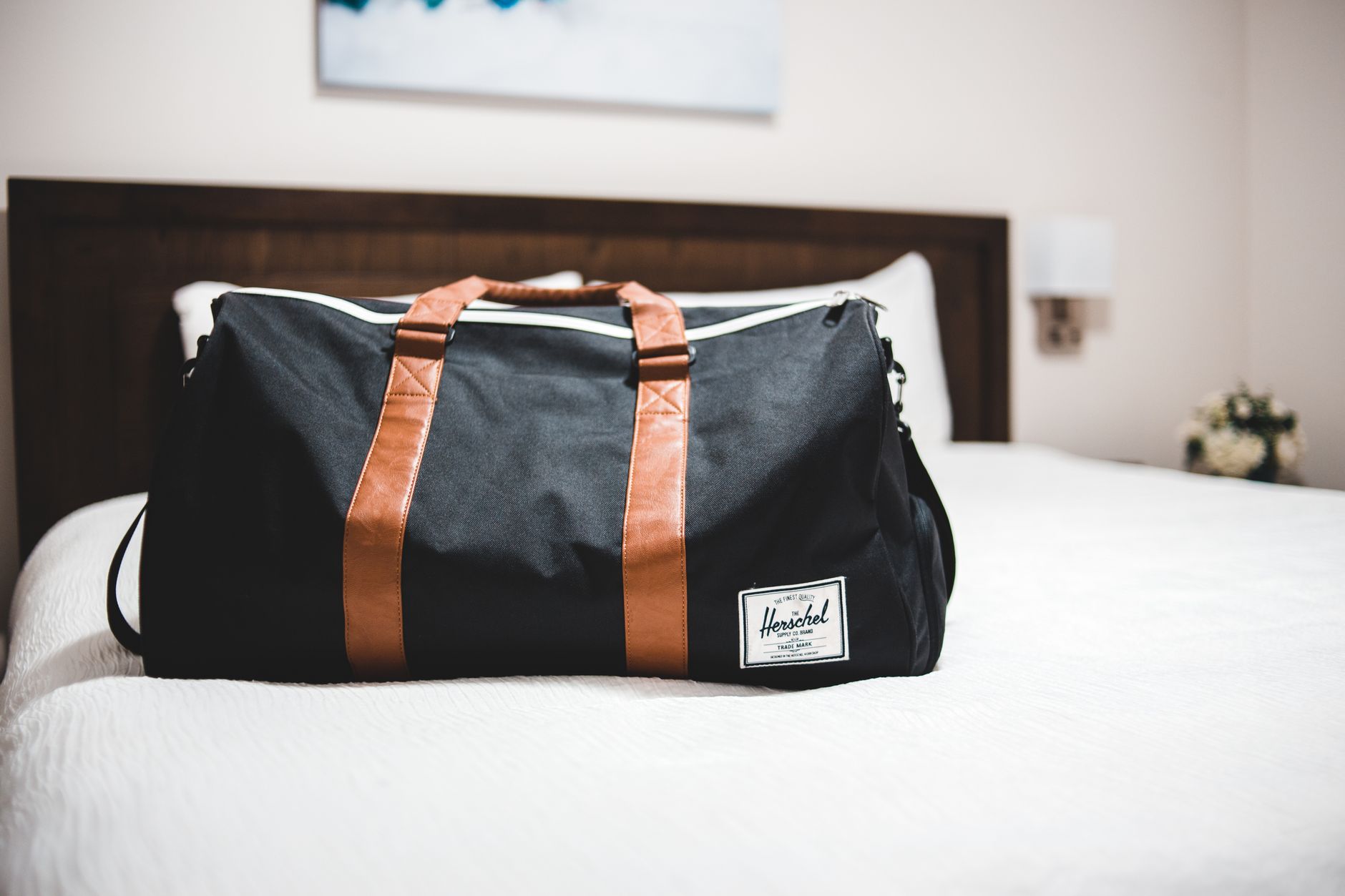
Pack completely the night before. Include the things that are easy to forget precisely because they seem important: chargers, any personal medication, the book you've been meaning to bring, comfortable clothes in a range for however the weather goes. Close the bag. Put it by the door.
There's something physically reassuring about a packed bag sitting by the door. It makes the break feel real. It also removes one category of decision from the morning, and mornings already carry enough of those.
Give yourself a real morning, not a rushed one
If the break starts in the morning, wake up early enough to move slowly. Eat something. Drink coffee or tea at a pace that doesn't involve standing over the sink. These aren't luxuries. They're the beginning of re-learning what your own pace feels like, which is one of the things a respite break is supposed to restore.
Carers who rush to the start of their break and collapse into rest at the destination often take two days to decompress what they could have begun dissolving the night before. The preparation isn't separate from the break. It's part of it.
The goal isn't to arrive at your respite accommodation already restored. It's to arrive without a debt of stress still compounding in your body. The night before is where that debt either gets managed or multiplied. Choose the quieter version of those hours, and the days that follow will start from a genuinely different place.