
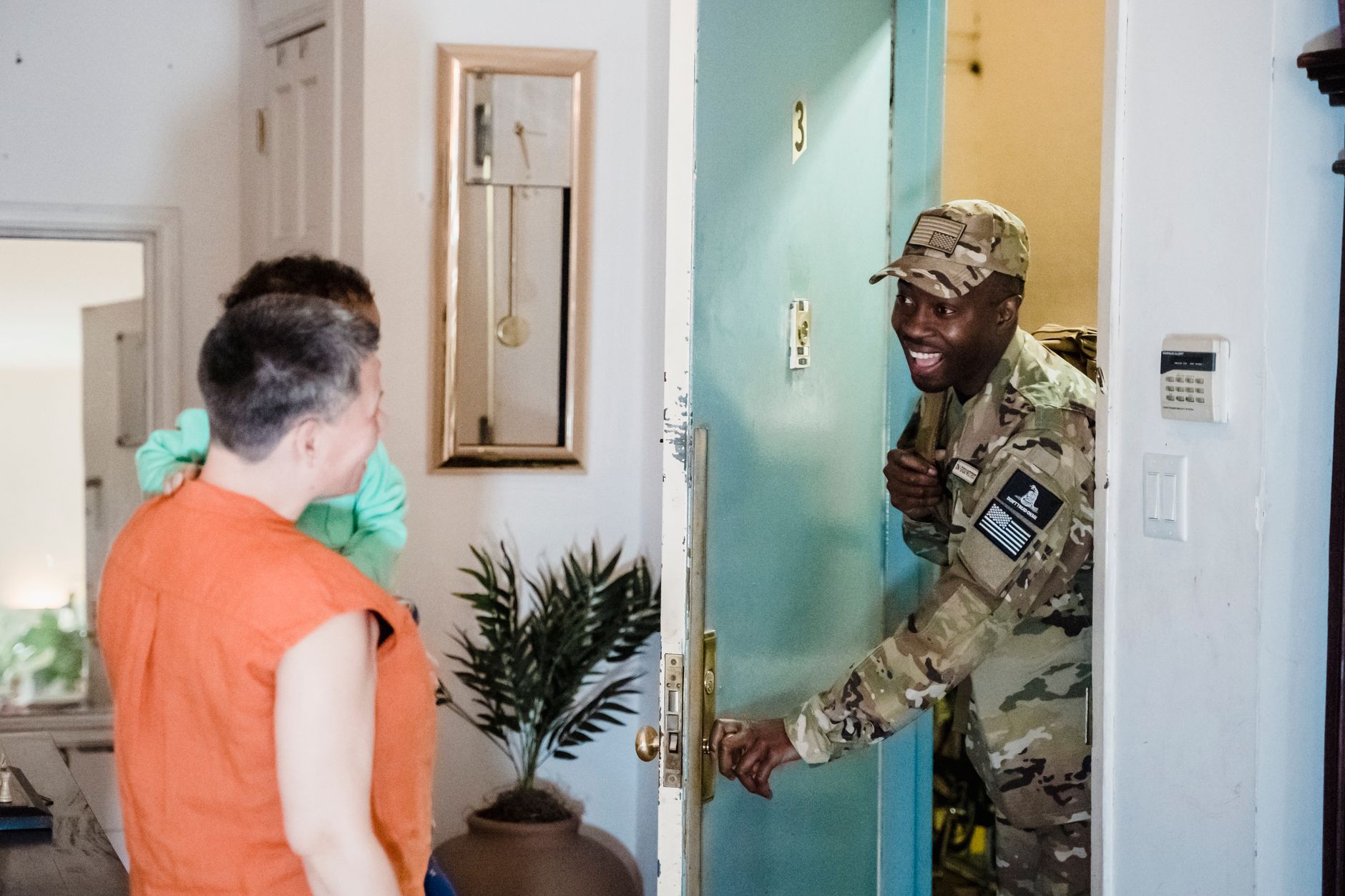
Returning to a caring role after respite is something almost no one prepares for. There's plenty of advice about how to take a break, how to feel less guilty about it, and how to make the time away count. But the moment you walk back through the door and pick up where you left off, you're largely on your own. That moment matters more than most carers realise. Handle it poorly and the benefits of the break can dissolve within 48 hours.
Why the return feels harder than expected
Respite works by interrupting the caring cycle. Your nervous system gets a chance to downregulate, your sleep may improve, and your sense of self outside the role gets a little space to breathe. Then you come back. The needs of the person you care for don't pause for your reintegration. The phone is ringing before you've put your bag down. That abruptness is jarring, and it triggers a stress response that can feel worse than if you'd never had a break at all.
This isn't a sign that respite is bad. It's a sign that the transition back deserves as much thought as the break itself.
If you spent your time away using your respite break to genuinely recharge, you've built up a resource. The goal on your return is to protect it, not spend it all in the first hour.
Give yourself a buffer before you're fully back
If at all possible, don't schedule your return for the same day your break ends. Even a few hours at home before resuming full caring responsibilities gives your body and mind time to switch modes intentionally, rather than being forced into it. Unpack slowly. Make a cup of tea. Sit somewhere quiet for fifteen minutes.
This sounds small. It isn't. Transitions need space, and most carers give them none.
If you return directly into a high-demand situation, the stress response kicks in fast and hard, and it tends to wipe out the calm you've carried back. Where you have any control over timing, use it.
Resist the urge to over-compensate
Many carers come back from a break with a surge of guilt-fuelled energy. They clean everything, reorganise routines, take on extra tasks, and generally try to "make up" for the time away. This pattern is understandable and almost always counterproductive. It treats rest as something to be paid back, and it accelerates the return to depletion faster than anything else.
You didn't deprive the person you care for by taking a break. You made yourself more capable of caring for them. There's nothing to compensate for. Come back to the baseline, not above it.
It's worth revisiting your feelings about respite here. If guilt is driving your first few days back, that guilt deserves attention. Working through it takes deliberate effort, but it's entirely possible to move through it rather than letting it run the show.
Set one anchor habit from your break
During your time away, something helped. Maybe you slept past 7am. Maybe you walked every morning. Maybe you sat quietly with a book. Pick one of those things, even a scaled-down version of it, and protect it in your daily routine at home. Not all of them. One.
That single habit serves two purposes. It gives your nervous system a daily signal that you're still a person outside your caring role. And it keeps a thread connecting the restored version of you to the everyday version. Without that thread, the reset can feel like it happened to someone else entirely.
Journalling is one habit that travels well from retreat to home life. Even five minutes at the end of the day can help you process what's happening and notice when depletion is building again. If you're not sure where to start, writing as a wellness tool is simpler than most people expect and requires nothing more than a pen and a few minutes of honesty.
Talk to someone in the first few days
Coming back from respite is a good time to check in with a GP, a counsellor, a carer support worker, or even a trusted friend. Not because something is wrong, but because the feelings that surface during and after a break often carry useful information. You may notice things about your situation more clearly after some distance. Those observations are worth voicing before the busyness of daily caring buries them again.
In Queensland, Carers Queensland offers support services specifically for people in caring roles, including counselling and connection to local resources. A brief call costs nothing and can help you consolidate what you've learned about your own limits during the break.
Notice the early warning signs, early
One of the clearest benefits of a break is contrast. Before respite, you may have been so deep in exhaustion that you couldn't tell where normal ended and depletion began. After a break, the baseline shifts. You can feel the difference.
Use that sensitivity. In the weeks after returning, pay attention to your sleep quality, your irritability, your patience, and your appetite. These are the first things that shift when depletion returns. If you notice them sliding, that's the signal to act: reach out, reduce load somewhere, or start planning your next break. Catching it at that point is far easier than catching it after it's become full carer burnout.
Plan the next break before you need it
The single most useful thing you can do in the first week after returning is to schedule the next break. Not vaguely plan it. Actually put something on the calendar, even if it's just a placeholder. Carers who return from respite without a next one in sight tend to re-enter survival mode quickly, because the break was a relief rather than a rhythm.
Respite works best as a regular part of your caring life, not a one-time rescue. Treating it that way changes how you return to it each time, and how you hold up between breaks.
The return to caring doesn't have to erase what you've gained. With a little intention about those first hours and days back, you can make the restoration last longer and get more from the next break when it comes.