
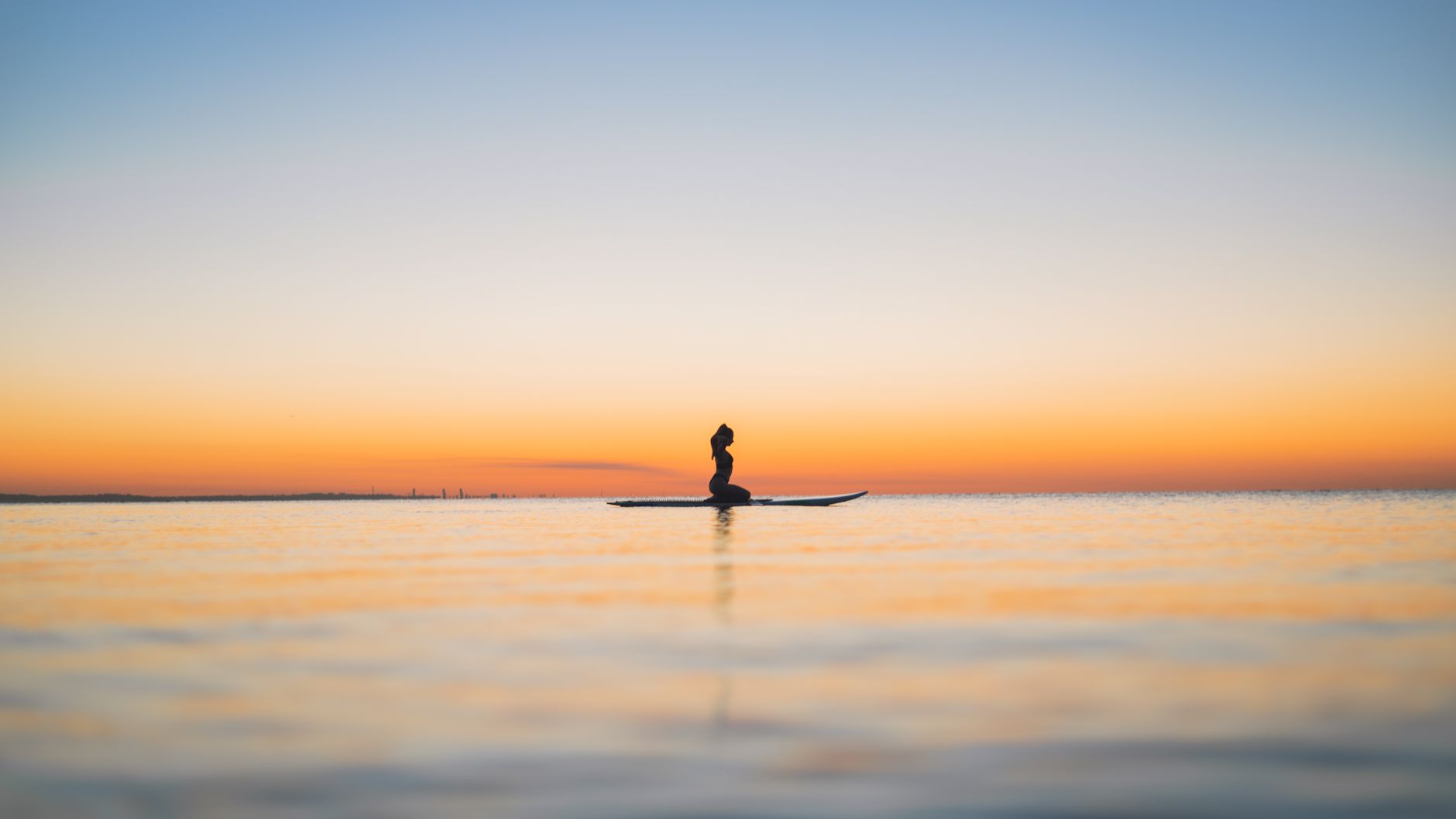
A solo wellness retreat is one of the most intentional decisions you can make for your health. Unlike a group trip or a shared holiday, going alone places you fully in charge of the pace, the activities, and the depth of rest you allow yourself. There are no compromises, no social obligations, and no half-hearted itineraries shaped around what everyone else wants. Just you, a setting that supports healing, and the rare permission to prioritise yourself completely.
Why solo travel and wellness work so well together
There is a particular kind of quiet that becomes available when you travel alone. You notice your surroundings more clearly. You eat when you are hungry, sleep when you are tired, and follow curiosity rather than a schedule. In a wellness context, this freedom is not just pleasant. It is therapeutic. Many people discover things about their own needs and rhythms on a solo retreat that years of group experiences never surfaced.
Going alone also removes a subtle pressure that is easy to overlook: the pressure to perform wellness. In shared retreats, it is easy to match the energy of the group, push through when your body needs stillness, or skip a nap because others are gathering for a walk. Solo, you answer only to yourself, and that is where genuine restoration becomes possible. If you are curious about what that restoration actually looks like for mind and body, restorative retreats and what they do for your system is worth reading before you book.
Choosing the right setting
The location of your solo wellness retreat matters more than any single activity or treatment you might include. A setting that feels safe, beautiful, and genuinely quiet will do more for you than a busy resort with a long menu of offerings. Look for somewhere with access to nature, minimal noise pollution, and a host or caretaker who understands what restorative rest actually requires.
Coastal and hinterland environments tend to work particularly well for solo retreats. The rhythm of tides, birdsong, and open sky creates a natural cadence that most people find easier to settle into than urban wellness centres. Rainbow Beach on Queensland's Cooloola Coast is a strong example: a small, unhurried community surrounded by national park, coloured sand cliffs, and clean water, far enough from the Gold Coast or Brisbane that the everyday world genuinely recedes. For anyone considering the region, this nature lover's guide to the Cooloola Coast gives a clear picture of what the area offers.
How long should a solo wellness retreat be?
The honest answer is: longer than you think. A single overnight stay can be restful, but it rarely allows enough time for the nervous system to genuinely downregulate. Most people spend the first day decompressing from whatever they left behind. The real shift tends to happen on day two or three, when the mental chatter quietens and the body starts to feel safe enough to release held tension.
A minimum of three nights is a useful benchmark for first-time solo retreats. A week or more is where significant change becomes possible, particularly if you are recovering from burnout, grief, or a sustained period of overwork. If a longer stay is not practical right now, a focused weekend retreat can still deliver meaningful results when the preparation and intention are right. Our weekend wellness retreat guide covers what to expect and how to set yourself up for the most from a short stay.
What to include in your solo retreat
There is no single correct template, but some elements consistently support a solo wellness retreat across different people and settings:
- Unstructured time. Leave more space than feels comfortable. Boredom is often the gateway to genuine rest and creative thinking.
- Morning movement. A slow walk, gentle yoga, or a swim in natural water sets a restorative tone for the day without depleting you.
- Journalling. Writing without an audience is particularly valuable when you are alone. It helps process what surfaces when the noise drops away.
- A digital detox, even partial. Limiting screen time, particularly social media and news, is one of the most consistently reported contributors to retreat benefit. The research on why this works so reliably is explored in depth in the article on digital detox retreat benefits.
- Nourishing food. Simple, whole, seasonal food eaten slowly and without distraction is its own form of wellness practice.
- One or two healing modalities. Sound healing, breathwork, meditation, or a massage can anchor the retreat without overwhelming it.
Preparing yourself mentally before you go
One of the most common challenges for first-time solo retreat-goers is not the retreat itself. It is the resistance that arrives in the days before leaving. The guilt about stepping away, the voice that lists everything that still needs doing, the sudden conviction that this is self-indulgent. These feelings are worth acknowledging directly rather than pushing through them on autopilot.
Remind yourself that rest is not a reward for productivity. It is a biological necessity and, in the context of a solo wellness retreat, a skill worth developing. You may also find it useful to set a simple intention before you arrive. Not a goal, not an outcome, but a question or a quality you want to explore. Something like: "What does my body actually need?" or simply "slow." Having a loose orientation helps when the unfamiliarity of being alone with yourself feels uncomfortable at first.
What to pack and what to leave behind
Pack light. Bringing too much creates a low-level pressure to use everything, which defeats the purpose. The essentials for a solo wellness retreat are comfortable clothing, a journal and pen, any personal wellness tools you already use (a meditation cushion, a yoga mat, an eye mask), and enough reading material to satisfy curiosity without overwhelming choice.
Leave behind anything that keeps you tethered to your regular life more than necessary. Work devices, if possible. Social obligations. The habit of filling every quiet moment with input. What tends to arrive in the gaps is more interesting than anything you scheduled.
Coming home: making the shift last
The days immediately after a solo wellness retreat are worth treating with care. Re-entry into ordinary life can be jarring, and the insights or sense of ease you gained can fade quickly if the environment that surrounded them disappears entirely. Build in a buffer day if you can. Ease back into commitments rather than scheduling a full day of obligations for the morning you return.
The retreats that genuinely change people are rarely the most expensive or elaborate. They are the ones where something honest was allowed to surface and be heard. A solo wellness retreat, in the right setting with the right amount of stillness, creates exactly those conditions.