
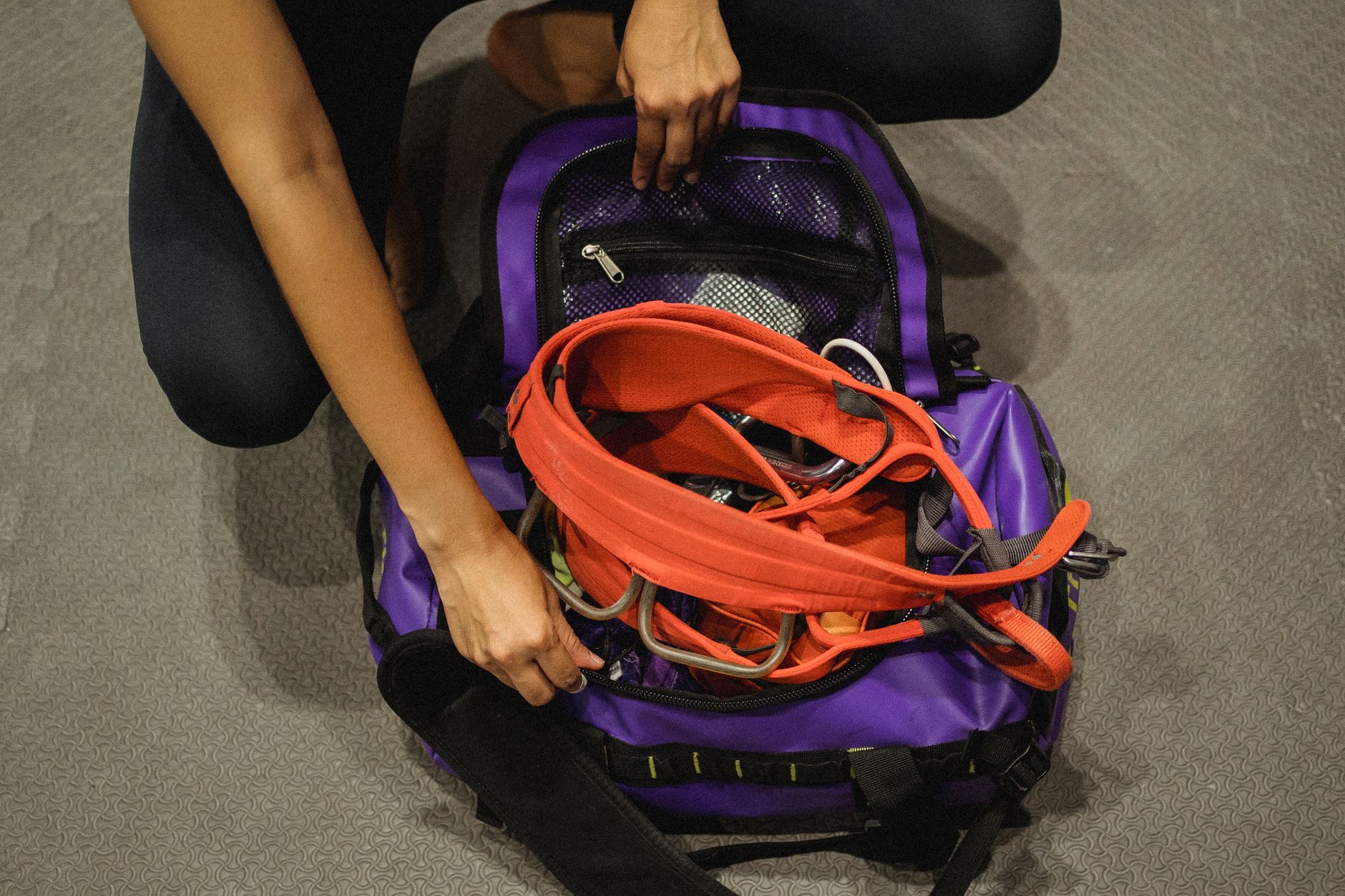
Packing for a wellness retreat sits in an awkward middle ground. Pack too much and you recreate the clutter you came to escape. Pack too little and small discomforts pull you out of the experience at the worst moments. Getting the balance right isn't complicated, but it does require thinking about the purpose of the trip rather than defaulting to your usual holiday packing list.
Start with what the retreat actually needs
Every retreat has a different rhythm. A silent retreat has completely different practical needs to a yoga intensive or a nature immersion. Before you open a bag, read the retreat's information pack carefully and note any specific guidance about dress codes, equipment or technology policies. Most good retreat centres send this information in advance. If yours doesn't, ask.
Once you know the structure of the days, you can pack for that structure rather than for some imagined version of the trip. Three questions worth answering before you start: What activities are scheduled? What's the weather doing? What do I need to feel physically comfortable?
Clothing: less than you think
Most wellness retreats involve movement, rest and time outdoors. Comfortable, layered clothing in neutral fabrics covers almost all of it. A few things worth including:
- Loose pants or leggings suitable for yoga, stretching or walking
- A warm layer for early mornings and evening meditation sessions
- Comfortable shoes you can slip on and off easily
- A rain layer if the retreat includes outdoor time
Leave the formal wear at home. Leave half the shoes at home too. Most people pack three outfit options and rotate through one.
The technology question
This is where most people underestimate the difference a small decision makes. Bringing a phone with full notifications and social media access is different from bringing it in flight mode for an emergency contact number and a torch. The device is the same. The impact on your nervous system is not.
A genuine digital rest is one of the most restorative things a retreat can offer. If the idea of leaving your phone off feels uncomfortable, that discomfort is worth sitting with. The benefits of stepping away from screens in a nurturing natural environment go well beyond the obvious, and what changes when you truly unplug often surprises people who expected only inconvenience.
If your retreat doesn't have a technology policy, create your own before you arrive. Decide in advance, not in the moment.
What actually helps you settle in
There's a small category of personal items that genuinely support a retreat experience rather than distract from it. These are worth including:
A journal and pen. Not a laptop, not a notes app. The physical act of writing by hand slows the process down in a way that's useful during reflection-heavy days. A reusable water bottle you actually like using. A small natural toiletry kit without synthetic fragrances, especially if you're sharing accommodation with others or spending time in nature. Any personal meditation support items you already use, such as mala beads, a small crystal or a particular cushion, if you have one and it travels easily.
Sleep support matters more than most people anticipate. Ear plugs, an eye mask, and your own pillow case if you're sensitive to unfamiliar bedding can make the difference between good rest and poor rest across several nights.
What to leave behind
Work. Even one "quick check" reactivates the stress response you came to calm. Leave the laptop at home if you can, and if you genuinely can't, keep it in your bag until the retreat ends each day.
Alcohol. Many retreat centres don't permit it, but even where they do, it disrupts sleep architecture and reduces the quality of whatever processing or restoration you're attempting.
The self-improvement reading stack. It's tempting to use retreat time to power through a backlog of books and podcasts about personal growth. That's not rest. It's another form of consumption. Bring one book if you like, and let it be something gentle.
Heavy perfumes and synthetic scents. Shared wellness spaces often include people with sensitivities, and strong fragrance in a meditation or yoga room is genuinely disruptive to others.
Preparing your mind before you pack your bag
The most important thing you bring to a wellness retreat isn't in your bag. It's the intention you arrive with. Knowing how to choose the right retreat for where you are right now is the first step. The second is arriving with some clarity about what you're actually hoping to release, restore or understand during your time away.
That doesn't require a formal goal or a written plan. It just means pausing, before you leave, to ask: what do I genuinely need from this? The answer will tell you more about how to pack than any checklist will.
At Spirit of Rainbow, the setting does a lot of the work. Rainbow Beach's natural environment, the quiet, and the separation from ordinary life create the conditions for real restoration. What you bring should support that, not compete with it.