
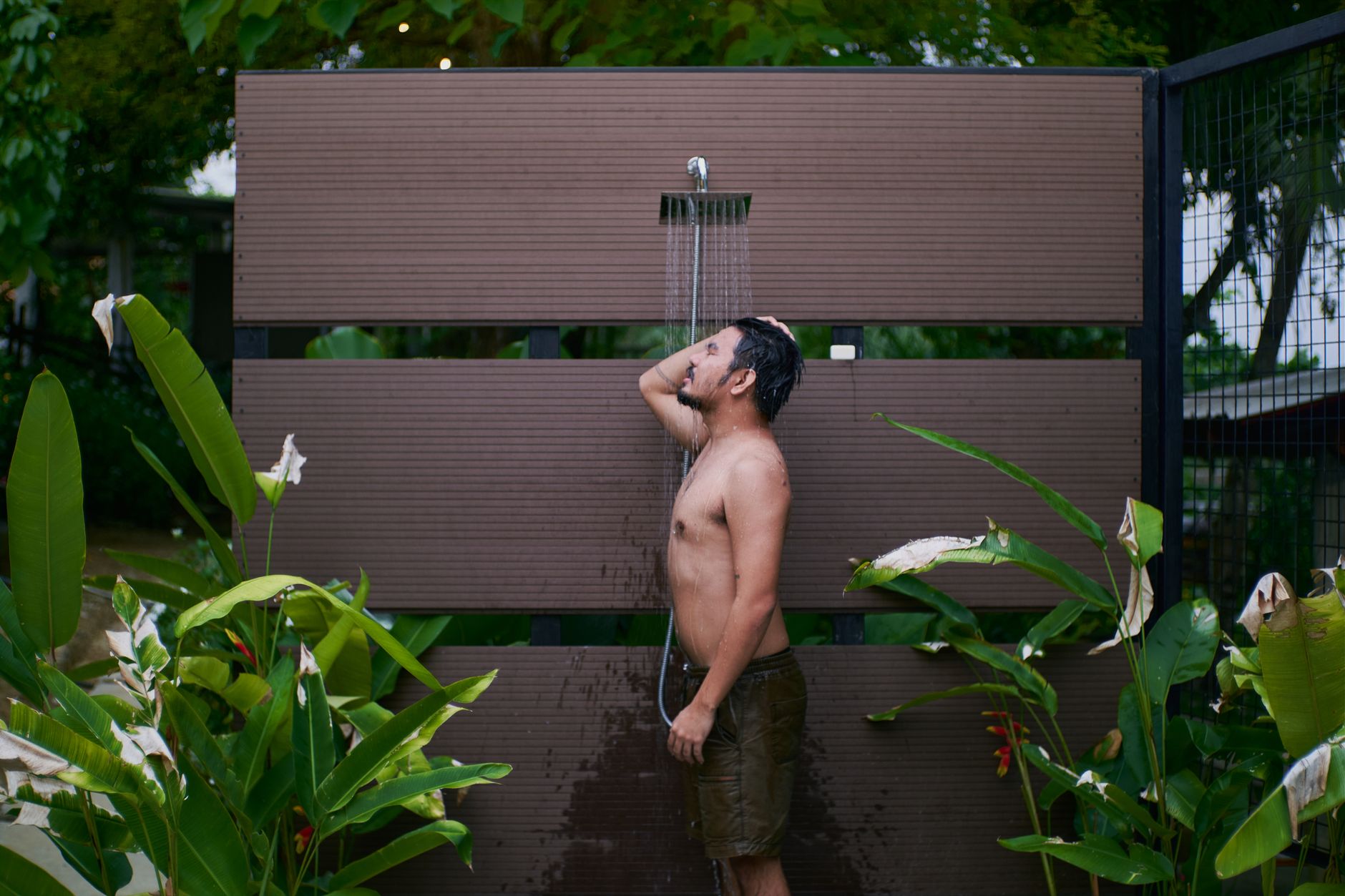
Cold water therapy has been used for centuries to support physical recovery, sharpen mental clarity and regulate the nervous system. Yet most people write it off as something reserved for elite athletes or extreme-sport enthusiasts. It isn't. A brief cold shower in the morning, a dip in a cool river or a deliberate contrast between hot and cold water in your existing routine can produce measurable changes in how you feel throughout the day.
What cold water therapy actually does to the body
When cold water meets your skin, your body responds fast. Blood vessels near the surface constrict, redirecting blood toward your core organs. Your breathing quickens. Your heart rate shifts. Within seconds, your adrenal glands release a shot of norepinephrine, a neurotransmitter linked to alertness and mood regulation. Research published in the journal Medical Hypotheses found that short cold exposures can increase norepinephrine levels by up to 300 percent.
That biochemical response explains why people who cold shower consistently describe feeling more awake, focused and emotionally steady. It's not a placebo. The body is genuinely being activated in a way that warm water doesn't produce.
Cold exposure also triggers a release of beta-endorphins, which contribute to the mood lift many practitioners report. Over time, repeated cold exposure appears to lower the body's baseline stress response, meaning everyday pressures feel less acute. That's a meaningful outcome for anyone whose nervous system feels chronically switched on.
How to start without shocking yourself
The single biggest mistake beginners make is jumping straight into a full cold shower with no preparation. That approach triggers panic breathing, which defeats the purpose entirely. Start smaller.
Begin by finishing your normal warm shower with 30 seconds of cold water on your legs and lower body only. Do that for 3 to 5 days. Then extend to 60 seconds covering your torso. By the end of two weeks, you can work up to a 2-minute full cold exposure without the panic response hijacking the experience.
Controlled breathing is the key. Slow your exhale deliberately as the cold hits. That single act tells your nervous system the situation is safe, which is precisely the physiological reset you're after. Think of it as a daily practice in staying calm under mild discomfort. Over time, that composure carries into the rest of your day.
Timing: morning vs evening cold exposure
Morning cold exposure is the most popular choice, and there's a practical reason for it. Cortisol naturally peaks in the first 30 minutes after waking, and a cold shower amplifies that natural energy spike. The result is a faster, cleaner arrival into alertness without caffeine dependency. If you've been working on morning routines that set a calmer tone for the whole day, a brief cold shower fits naturally into that structure.
Evening cold exposure works differently. It can help lower core body temperature before bed, which supports sleep onset. Keep it shorter in the evening, around 60 to 90 seconds, and leave at least 90 minutes between the cold exposure and when you intend to sleep. A cold shower right before bed can briefly raise alertness before it drops, so timing matters.
Contrast therapy: the middle path
Contrast therapy alternates between warm and cold water in cycles. A common protocol is 3 minutes warm followed by 1 minute cold, repeated 3 times, finishing on cold. This approach suits people who find sustained cold exposure difficult to maintain and find the warm-to-cold transition easier to commit to over time.
Contrast therapy is particularly useful for muscle recovery. The alternating vasoconstriction and vasodilation acts like a pump, flushing metabolic waste from tired tissue. If you're physically active, combining contrast therapy with other recovery habits will compound the results. The body responds well to stacked inputs, much like the way holistic health habits that actually stick tend to work in concert rather than isolation.
Practical tips for maintaining the habit
The hardest part isn't the cold. It's the pause before you turn the dial. Most people hesitate at the threshold and that hesitation grows over time if you let it. A few things make the habit sustainable:
- Decide the temperature before you step in, not once you're already standing under warm water.
- Set a timer on your phone so you don't negotiate with yourself mid-shower.
- Use the same time of day each day for the first four weeks. Habit anchoring matters more than motivation.
Don't aim for the coldest possible exposure. Aim for consistent, slightly uncomfortable, and repeatable. Fifteen degrees Celsius water for 90 seconds every morning will do far more than a single ice bath you never repeat.
When cold water therapy isn't appropriate
Cold water therapy is not suitable for everyone. People with Raynaud's disease, cardiovascular conditions, or cold urticaria (a skin reaction to cold) should check with their GP before starting. Pregnant women and anyone recovering from illness should also seek medical advice first.
If you feel chest pain, significant dizziness or numbness that doesn't resolve quickly, stop and warm up. The goal is mild discomfort, not distress. Your body gives clear signals; the practice only works if you listen to them.
Cold water and the broader picture of daily wellbeing
Cold water therapy works best as one component of a wider approach to energy and recovery, not a standalone fix. Pair it with adequate sleep, time outdoors, and regular moments of stillness. The physiological benefits are real, but they compound when the rest of your day supports your nervous system rather than taxing it.
If you find you're struggling to sleep despite improved daytime energy, it's worth looking at your overall sleep hygiene in parallel. Cold exposure improves alertness, and that alertness needs somewhere to land in the evening. Building a clear boundary between your active and restful hours makes the whole system work better.