
Deliberate sunlight exposure is not the same as spending time outdoors. Most Australians do get outside, but the timing, duration and quality of that light exposure are what determine whether it actually moves the needle on energy, sleep and mood. The difference between accidental sunlight and intentional sunlight is the difference between noise and signal for your nervous system.
Why morning light is the most useful light you'll ever get
The first hour after sunrise is when sunlight carries its strongest biological signal. Light in this window is low on the horizon, rich in long-wavelength orange and red tones, and it triggers a spike in cortisol that is healthy and helpful. This cortisol pulse sets your circadian clock for the next 16 hours. It also tells your brain when to expect darkness and, by extension, when to release melatonin at night.
Neuroscientist Andrew Huberman has described morning light as "the most powerful thing you can do for your sleep and your wakefulness." The mechanism is real: light photons hitting the retina activate intrinsically photosensitive retinal ganglion cells, which send a direct signal to the suprachiasmatic nucleus in the hypothalamus. That nucleus controls nearly every circadian-linked process in the body, including hormone cycling, appetite timing and body temperature.
Getting outside within 30 to 60 minutes of waking and spending 5 to 10 minutes facing the direction of the sun (without looking directly at it) is enough on a clear day. On overcast days, you need 15 to 30 minutes, because cloud cover reduces lux significantly. A window does not substitute. Glass filters out the UV wavelengths that drive most of the biological response.
What midday sun actually does for your body
Midday sun is high in UV-B radiation, which is the wavelength responsible for vitamin D synthesis in the skin. Most people in Queensland produce enough vitamin D with around 10 to 15 minutes of midday exposure on arms and legs in summer. In winter, the same exposure may require 30 minutes or more depending on skin tone, age and distance from the equator.
Vitamin D deficiency affects mood in measurable ways. Low vitamin D is associated with higher rates of seasonal low mood, fatigue and poor concentration. Supplementation helps, but skin synthesis from sun exposure produces vitamin D alongside other photoproducts, including nitric oxide, that supplements don't fully replicate.
Midday is also when sunlight drives the highest production of serotonin, provided your eyes are receiving the light. Serotonin is the precursor to melatonin: more serotonin during the day means more melatonin available at night. This is one of the clearest reasons why people who spend the bulk of their day indoors often report both low mood and poor sleep simultaneously.
Evening light and why you shouldn't skip it
The second most important window is the hour around sunset. Viewing low-angle evening light signals to your brain that the day is closing. This helps calibrate the circadian clock from the other end, reducing the biological confusion that leads to delayed sleep onset. It's a simple thing: step outside around 5 to 6pm, face west, and let the light register through your eyes for 5 to 10 minutes.
Evening light also tends to be psychologically calming. Cooler temperatures, lower ambient noise and the shift in colour temperature from blue-white to orange-red create conditions that quiet the nervous system. If you're someone who struggles to wind down at night, a short walk at dusk can do more than an evening wind-down routine that starts indoors after the sun has already set.
Practical ways to build sunlight into your day
The goal is not to overhaul your schedule. It's to anchor three brief windows of outdoor light into days that already exist. Here's how to make that concrete:
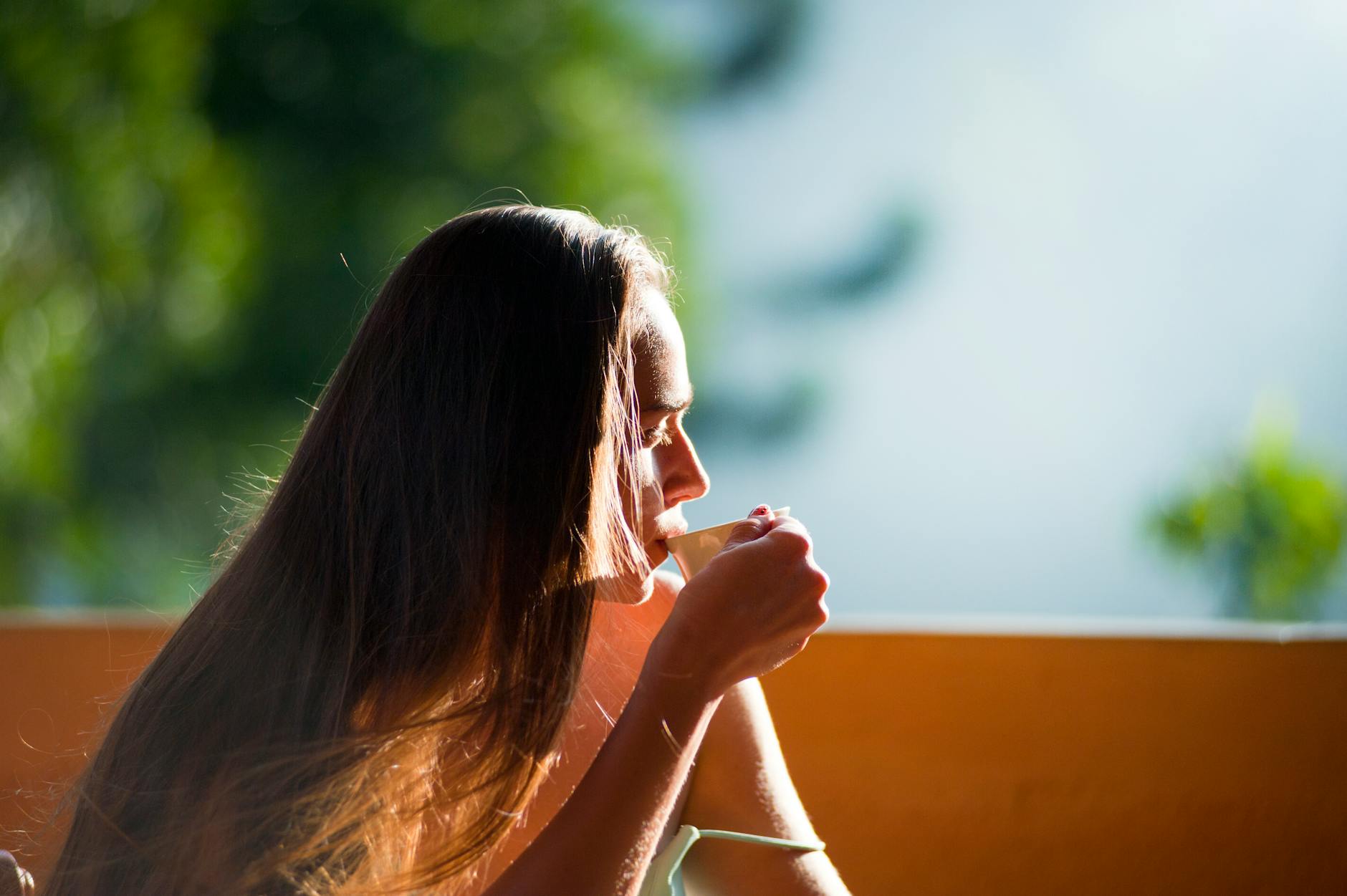
- Morning anchor. Move your first coffee or tea outside. Drink it in the garden, on a balcony or during a short 10-minute walk. No sunglasses in this window if it's safe to do without squinting.
- Midday micro-break. Use part of your lunch break outdoors rather than at a desk. Even 10 minutes on a bench or a short loop around the block qualifies.
- Evening close. Watch the sun go down, even partially. A five-minute pause at a window that faces west is far less effective than stepping outside, but it beats nothing.
On a wellness stay or retreat, this kind of rhythm comes naturally. At Rainbow Beach at sunrise, the light over the coloured sand cliffs is low, warm and precisely timed for that first-hour biological window, and it happens to be one of the most visually striking places on the Cooloola Coast to receive it.
The interaction between sunlight and other wellness habits
Sunlight doesn't operate in isolation. Its effects are amplified by consistent sleep timing, hydration and a diet that supports neurotransmitter production. If you're also working on your morning routine, adding outdoor light before you look at a screen is one of the highest-leverage changes you can make to that routine. Screen light in the blue-white range can partially substitute for the alerting signal of morning sun, but it doesn't carry the full biological instruction that outdoor light does at any light level you'll encounter indoors.
Conversely, bright artificial light in the two hours before bed actively suppresses melatonin. Pairing morning light exposure with dim, warm light after 9pm creates the sharpest possible contrast between your biological day and night, and that contrast is what produces deep, restorative sleep.
A note on skin safety
Deliberate sun exposure is not the same as extended unprotected time at the beach. The windows described here are short. Morning and evening light carries low UV index levels in most Australian conditions, and the midday window is intentionally brief. Apply sunscreen after your midday skin-synthesis window if you're staying outside longer. The goal is enough sun to drive biological benefit, not enough to damage skin. Skin cancer risk rises sharply with cumulative UV exposure over years, so building short, timed windows of exposure is categorically different from spending unprotected hours in peak summer sun.
The Cancer Council Australia recommends balancing the need for vitamin D with sun protection, particularly in high-UV environments like Queensland. Their UV alert tools help you identify when UV index levels are low enough for unprotected exposure and when protection becomes necessary.
Used deliberately, sunlight is free, available every day and backed by a body of research that keeps growing. Few wellness habits match it for impact per minute invested.