
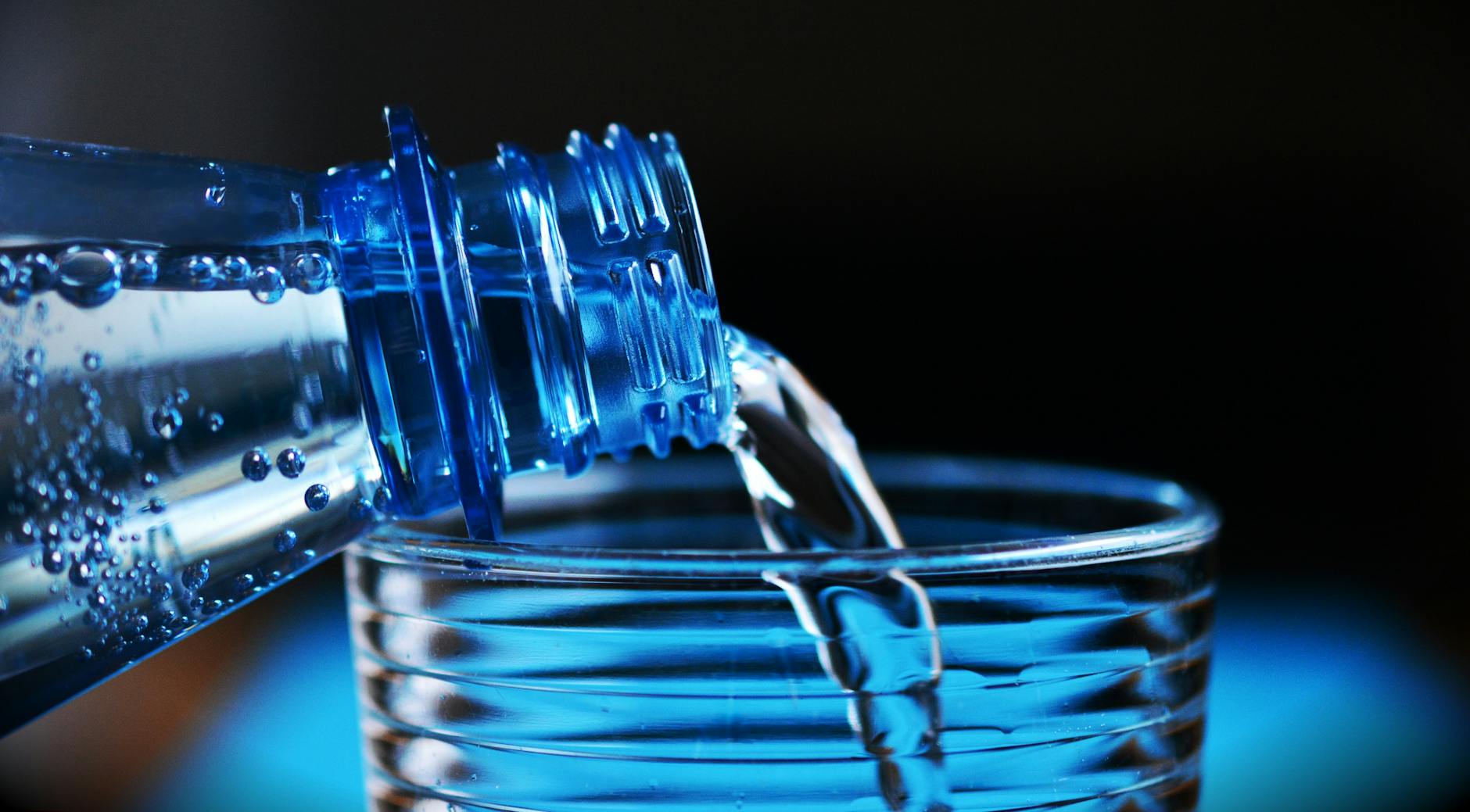
Hydration is one of those wellness topics that sounds simple until you try to get it right. Everyone knows they should drink more water. Most people don't. Not because they're lazy, but because generic advice like "drink eight glasses a day" doesn't account for body size, activity level, climate, or what you actually eat. A personalised hydration habit works precisely because it starts with you rather than a formula.
Why generic hydration advice tends to fail
The "eight glasses a day" recommendation has no strong scientific basis. It appeared in a 1945 US Food and Nutrition Board report and referred to total fluid intake from all sources, including food. Somewhere along the way it became a water-only target, and the nuance got lost entirely.
Your actual hydration needs depend on your weight, your activity level, the temperature around you, and how much fluid your food provides. A person eating a diet rich in cucumber, watermelon, soup and leafy greens absorbs far more fluid than one who eats mostly dry, processed food. A person sweating through physical work on a warm Queensland afternoon loses fluid at a completely different rate from someone sitting at a desk in an air-conditioned room. The number is a starting point, not the answer.
One practical benchmark: your urine colour. Pale straw yellow is well hydrated. Dark amber means you're behind. Clear with no colour suggests you may be overdoing it. Use this as your daily calibration tool rather than a clock or a glass count.
Understanding your personal hydration signals
Thirst is not a reliable early signal. By the time you feel noticeably thirsty, your body is already 1 to 2 percent dehydrated. At that level, concentration drops, energy dips, and mood shifts. The goal is to stay ahead of thirst rather than respond to it.
Other signals worth learning to read include:
- Morning headaches (common after 6 to 8 hours without fluids)
- Difficulty concentrating mid-afternoon when dehydration compounds fatigue
- Skin that feels tight or looks dull by midday
- Muscle cramps after light activity
If you're already working on improving sleep naturally, you might notice that nights when you're under-hydrated tend to produce lighter, less restorative sleep. The connection is real: the body uses water in almost every cellular repair process that happens while you rest.
How to build your hydration habit step by step
Anchor new habits to existing ones. That's the most reliable behaviour change principle, and it applies directly here.
Start with waking. Before your phone, before coffee, before anything else, drink a full glass of water. Overnight, your body loses fluid through breathing alone. Replacing that first thing sets a baseline and starts your digestive system moving. This single change, done consistently, makes more difference than any supplement or speciality drink.
After that, pair hydration with your existing anchors: a glass before each meal, a glass when you make your morning tea or coffee, a bottle at your workspace you refill once at midday. You're not adding new habits, you're stacking water onto routines you already do without thinking.
Sodium, potassium and magnesium all influence how well your cells absorb water. If you drink plenty of fluid but still feel sluggish or get frequent headaches, electrolyte balance may be the missing piece. A small pinch of quality sea salt in your morning water, or eating potassium-rich foods like banana and sweet potato, can noticeably improve how hydrated you actually feel. This is especially relevant if you've been using magnesium for sleep and stress, since adequate hydration helps that mineral absorb properly.
Hydration in a warm coastal climate
Rainbow Beach and the Cooloola Coast sit in a subtropical zone where summer temperatures regularly climb above 30 degrees Celsius and humidity adds to the load. That means hydration needs here are higher than they would be in a temperate city like Melbourne or Hobart, and they shift significantly across the seasons.
During warmer months, increase your baseline by roughly 500 millilitres for every hour spent outdoors in direct heat. If you're walking the beach, swimming or exploring the national park, treat that as active exertion even if it doesn't feel strenuous. The combination of sun, salt air and sand reflects heat upward, so the body works harder than you realise.
Cold water isn't always the best choice for rapid rehydration. Room-temperature water absorbs faster from the gut. Save icy drinks for comfort rather than speed when you really need to replenish after time in the heat.
What counts as hydration (and what doesn't)
Water is the baseline, but other fluids count. Herbal teas, diluted fruit juice, broths, and milk all contribute meaningfully to your total fluid intake. The caveat is caffeine: coffee and strong black tea have a mild diuretic effect at higher doses, so they partially offset their own fluid contribution. Two cups of coffee a day is unlikely to cause net fluid loss for most people, but four or five cups without other water certainly can.
Alcohol is straightforwardly dehydrating. It suppresses the hormone that tells your kidneys to hold onto water, which is why a hangover feels the way it does. One drink of water per alcoholic drink keeps the deficit from compounding overnight.
The foods that contribute most to hydration include cucumber (about 96 percent water), celery, lettuce, zucchini, tomatoes, strawberries and watermelon. Building these into your daily eating is a low-effort way to raise your baseline without drinking more at all.
Tracking your pattern without obsessing over it
Tracking works best as a short-term diagnostic rather than a permanent practice. Spend two weeks noting your fluid intake alongside your energy, mood and headache frequency. You'll quickly see your personal pattern: which days you consistently undershoot, which activities leave you most depleted, whether weekends differ from weekdays.
If you're already using journalling to track your wellness patterns, simply add a hydration column to what you're already recording. One line per day is all it takes. After two weeks, you'll have a clear picture of where your habit breaks down and exactly which anchors to reinforce.
Once the pattern is visible, stop tracking. A well-built habit runs on autopilot. Permanent tracking creates anxiety, not wellness.
A few things that genuinely help
Keep a large, refillable water bottle visible on your desk or kitchen bench. Out of sight genuinely means out of mind when it comes to water. A 750 millilitre bottle that you refill twice gives you 1.5 litres before you've thought about it.
Set a single midday phone reminder for the first two weeks only. After that, the anchored habits will carry the load. Don't set six reminders because six reminders become wallpaper.
Temperature preference matters. If you find cold water unappealing in winter, don't force it. Warm water with a slice of lemon or a piece of ginger is still water. The goal is intake, not virtue.
It takes roughly 21 days for a new routine to feel automatic. The first week is the hardest. By week three, reaching for water before meals happens without thinking, and the energy difference is clear enough that the habit maintains itself.