Crystal healing has been practised in some form across nearly every ancient culture, from Egyptian temples to Vedic healing traditions, yet it remains one of the more misunderstood areas of complementary wellness. At its core, it is a practice rooted in the idea that certain stones and minerals carry energetic properties that can support balance in the body, mind and spirit. Whether you approach it from a metaphysical perspective or simply as a mindful ritual, exploring crystal healing can be a grounding and meaningful addition to a holistic health practice.
What crystal healing actually involves
Crystal healing is the practice of placing, wearing or meditating with specific stones in order to support wellbeing. Practitioners and enthusiasts believe that each crystal carries a unique vibrational frequency, and that these frequencies can interact with the body's own energy field (often referred to as the aura or subtle body). In a more structured session, a practitioner may place crystals on or around specific points on the body that correspond to the chakra system, with the intention of clearing energetic blockages and encouraging the body's natural capacity to restore itself.
It is worth being clear that crystal healing is a complementary practice. It is not a medical treatment and should never be used as a substitute for professional medical or psychological care. Within that context, however, many people find that working with crystals enhances their sense of calm, supports focus during meditation, and deepens their broader holistic health routine. Think of it less as a cure and more as a tool for intentional self-care.
Common crystals and their traditional associations
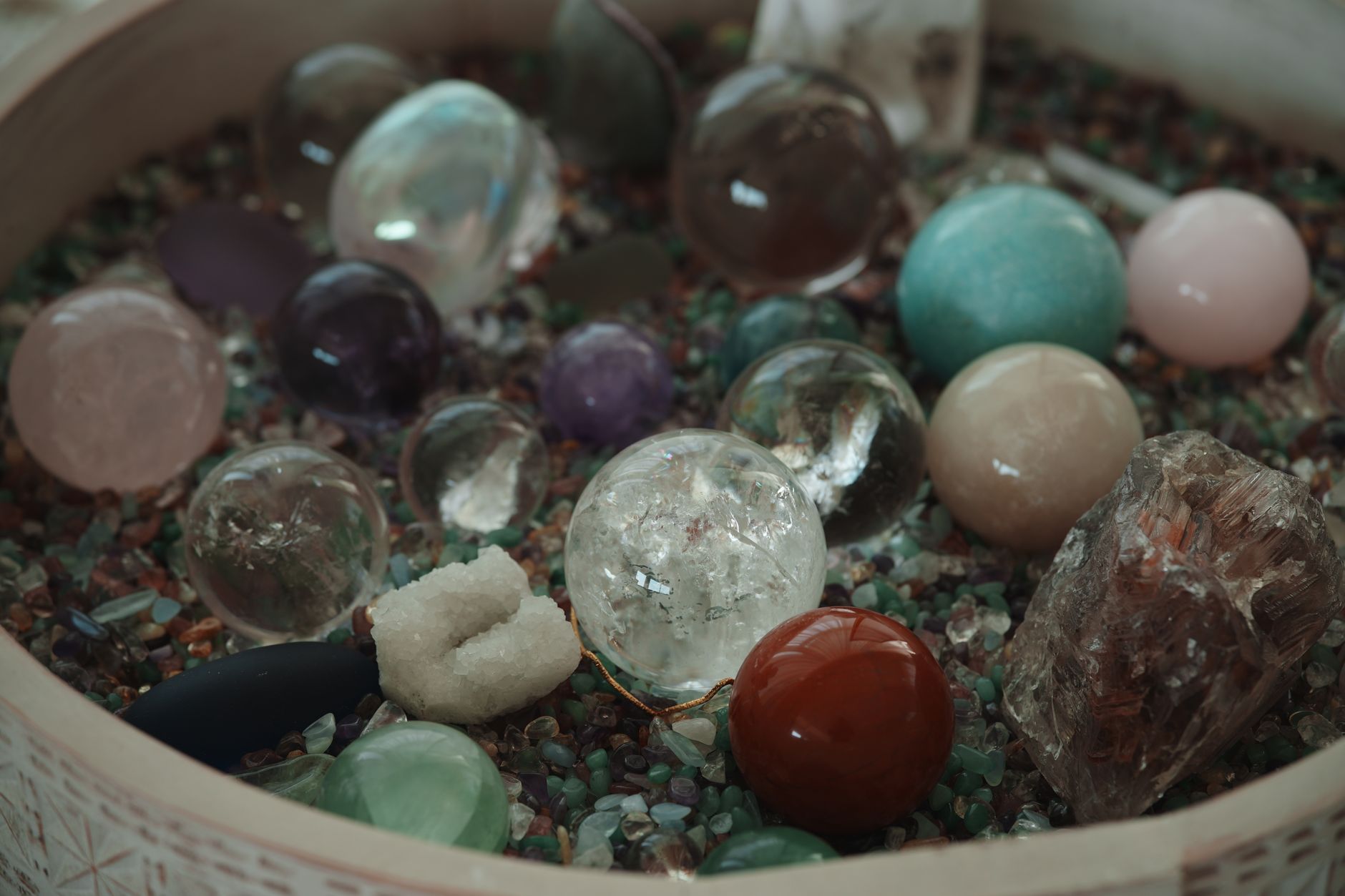
Part of the appeal of crystal healing is the sheer variety of stones available, each with its own character and traditional use. Some of the most widely worked-with crystals include:
- Amethyst: associated with calm, clarity and restful sleep. Often used during meditation or placed near the bed.
- Rose quartz: connected to self-love, compassion and emotional healing. A gentle stone often recommended for beginners.
- Black tourmaline: traditionally used for grounding and energetic protection, particularly in busy or stressful environments.
- Clear quartz: sometimes called the "master healer," it is believed to amplify intention and support overall clarity.
- Citrine: associated with energy, positivity and abundance. Often kept in a workspace.
- Selenite: thought to cleanse and purify energy. Commonly used to clear other crystals or create a calm atmosphere in a room.
These associations are drawn from long-standing intuitive and metaphysical traditions rather than clinical evidence. Approaching them with curiosity and an open mind tends to yield the richest experience.
How to begin your own practice
Starting out with crystal healing does not require a significant investment or a comprehensive collection. A single stone chosen with intention is more meaningful than a shelf full of crystals bought in haste. Begin by identifying what you are hoping to cultivate: more calm, clearer boundaries, deeper sleep, emotional resilience. Then select one or two crystals whose traditional properties align with that intention.
Once you have your crystal, take a moment to cleanse it before first use. Popular methods include placing it in direct moonlight overnight, briefly holding it under running water (check first that your particular stone is water-safe, as some are not), surrounding it with selenite, or using sound from a singing bowl. This cleansing ritual is itself a valuable mindfulness practice, helping you slow down and set clear intentions. You might pair this kind of grounding ritual with breathwork for beginners, which offers another accessible entry point into somatic self-care.
From there, experiment with how you choose to work with your crystals. Some people hold them during morning meditation. Others carry a small stone in a pocket as a physical anchor for an intention set at the start of the day. Placing crystals around your living space, sleeping with one under your pillow, or arranging them on a dedicated altar are all common approaches. The key is consistency and genuine engagement: the more present you are with the practice, the more you tend to get from it.
Crystal healing as part of a broader wellness approach
Crystal healing works best when it sits within a wider commitment to holistic wellbeing rather than functioning as a standalone fix. Pairing it with regular meditation, time in nature, nourishing food and adequate rest creates a foundation from which complementary practices like this can genuinely flourish. Many people find that crystals serve as physical anchors for their wider wellness intentions, a tactile reminder of what they are working toward.
If you are exploring multiple holistic tools at once, it can be helpful to understand which ones complement each other. Sound healing, for example, is often paired with crystal work in both individual and group sessions, as both practices work with the concept of vibrational resonance. You can learn more about that approach in our guide to sound healing: what it is and how it works.
Exploring crystal healing in a retreat setting
For those who want to go deeper than a home practice allows, a retreat setting provides the ideal conditions. Away from the noise and distraction of daily life, it becomes much easier to drop into the kind of stillness that allows subtle practices like crystal healing to land properly. Rainbow Beach, with its remarkable natural environment and slow coastal pace, offers exactly this kind of restorative backdrop.
At Spirit of Rainbow, we create the space for guests to explore holistic practices like crystal healing in their own time and at their own pace. Whether you are here for a private stay, a wellness retreat, or respite care, the peaceful sanctuary of Rainbow Beach supports the kind of inner reset that most people rarely find at home. If you are still designing your approach to wellness, a look at the holistic health trends reshaping self-care right now may help you find the practices that resonate most.
A few things to keep in mind
Crystal healing is a personal, intuitive practice, and there is no single right way to do it. Some crystals can be brittle, toxic in powdered form, or soluble in water, so it is worth doing a little research before cleansing any stone with liquid. Buy from reputable, ethical suppliers where possible, as the crystal market has faced valid scrutiny around mining practices and authenticity. And as with any complementary practice, stay curious, stay grounded, and let the experience unfold at its own pace rather than trying to force outcomes.
The most consistent thing people report from working with crystals is a greater sense of mindful intention in their daily life. Whether that comes from the stones themselves or from the ritual of working with them thoughtfully, the outcome is worth pursuing.