
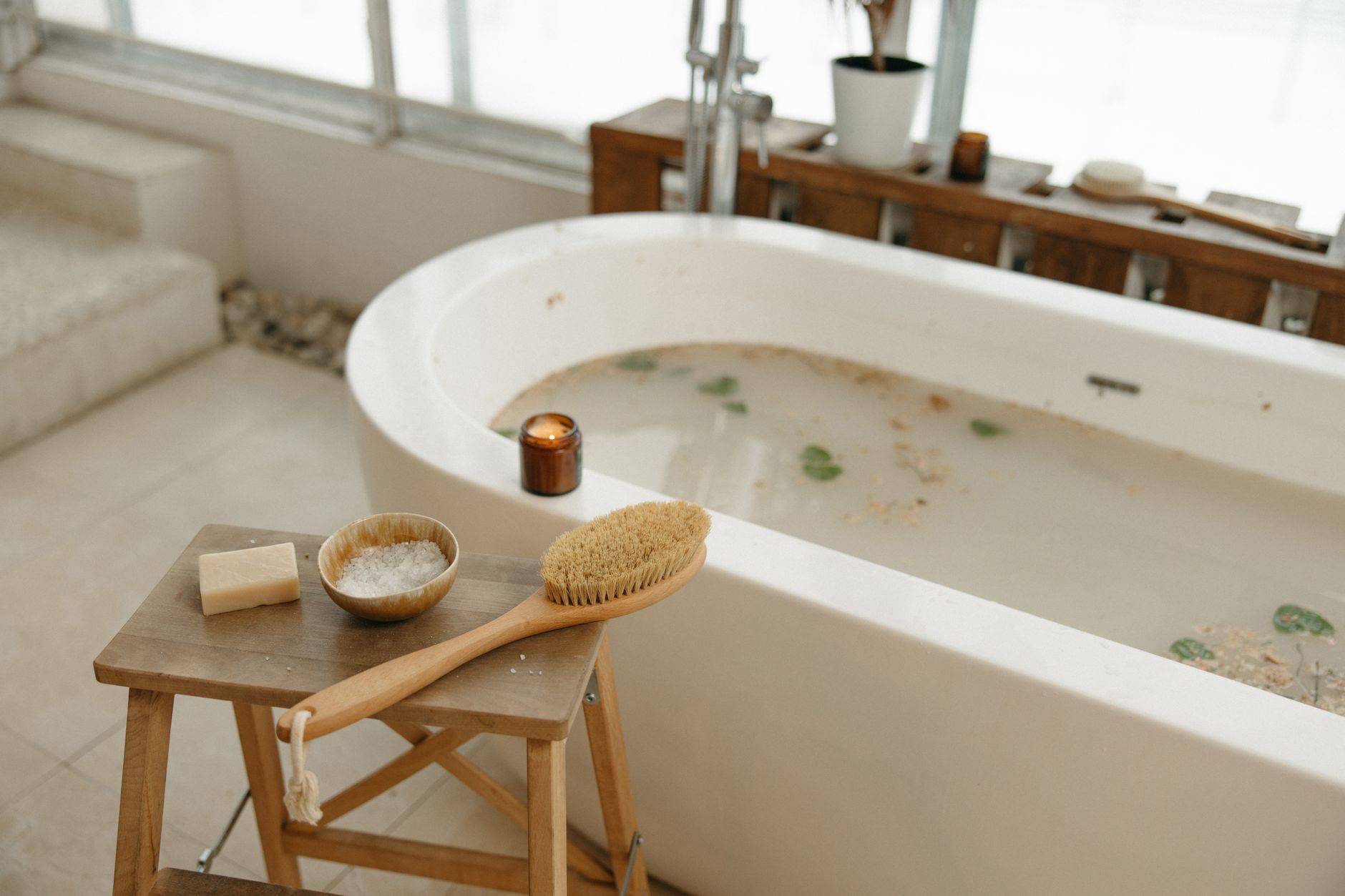
Epsom salt baths have been a staple of natural healing for centuries, and for good reason. Dissolve two cups of magnesium sulphate in a warm bath, soak for 20 minutes, and your muscles ease, your nervous system quietens, and the tension that's been sitting in your shoulders for three days starts to move. They're cheap, easy, and require almost nothing. And yet most people either never try them or do them so rarely they don't notice any effect.
What Epsom salts actually are
Despite the name, Epsom salt isn't a culinary salt. It's magnesium sulphate, a mineral compound first identified in the waters of Epsom in Surrey, England, in the early 1600s. Magnesium sulphate is not the same as table salt (sodium chloride), and it behaves very differently in the body.
Magnesium is one of the most widely deficient minerals in modern diets. Low magnesium levels are linked to poor sleep, elevated cortisol, muscle cramps, and a persistently wired-but-tired feeling. If you want to use magnesium for better sleep and less stress, an Epsom salt bath is one of the most practical ways to top up your levels without taking a supplement.
There's a genuine question in nutritional science about how much magnesium actually crosses the skin barrier during a soak. Oral supplementation gets absorbed through the gut. Transdermal absorption is less predictable. What the evidence does support is that regular Epsom salt baths reduce inflammation markers, ease delayed-onset muscle soreness, and support parasympathetic nervous system activity. Whether that's from magnesium absorption, the warmth of the water, or the forced stillness of lying in a bath for 20 minutes, the result is largely the same: you feel better.
What an Epsom salt bath actually does
The most consistent effects sit across three areas.
Muscle recovery. Magnesium plays a direct role in muscle contraction and relaxation. A 20-minute soak after physical exertion helps muscles release, reduces stiffness the next morning, and speeds up the clearance of lactic acid. This makes Epsom salt baths particularly useful after long walks, surf sessions, or any kind of physical work that leaves you tight.
Nervous system regulation. Heat alone activates the parasympathetic nervous system, the branch responsible for rest, digestion, and recovery. Combine that with magnesium and the effect deepens. If you've been running high-cortisol all day, the bath interrupts that cycle more reliably than most other home-based interventions. For anyone exploring hydrotherapy at home, an Epsom salt bath is a strong starting point.
Sleep onset. Core body temperature drops after you leave a warm bath, and that drop signals to the brain that it's time to sleep. Timing a bath 60 to 90 minutes before bed is more effective than bathing right before sleep, when the warmth can temporarily delay the signal. Adding Epsom salts to that pre-sleep bath compounds the effect through magnesium's role in melatonin regulation.
How to draw one that actually works
The details matter more than most people realise. A lukewarm bath with a tablespoon of Epsom salts isn't the same as a properly drawn therapeutic soak.
Water temperature should sit between 37°C and 39°C. Hotter than that and your body works to cool itself rather than relax. Colder and the mineralabsorption window narrows considerably. Use a thermometer the first few times until you can gauge it reliably by feel.
Use 2 cups (roughly 450g) of Epsom salts for a standard bath. Stir them in while the water is running so they dissolve fully before you get in. Add them too late and they sit at the bottom.
Soak for at least 20 minutes. Under 15 minutes is not long enough for the nervous system to downshift properly. Set a timer and don't take your phone in. That last point isn't optional.
You can add other elements, but keep it simple. A few drops of lavender or chamomile essential oil (already diluted in a carrier oil before adding to water) supports relaxation. Oatmeal soothes irritated skin. Baking soda at half a cup softens water and can ease skin sensitivity. Beyond that, you're experimenting for its own sake rather than improving the core effect.
Drink a glass of water before you get in. Sweating in a warm bath is normal, and mild dehydration after a soak is common enough to be worth preventing rather than treating.
How often to use them
Two to three times a week is enough to notice a cumulative effect on sleep and muscle recovery. Daily baths are fine for short periods, particularly during high-stress weeks or after sustained physical effort, but they aren't necessary for the benefits to accumulate. If your skin feels dry after bathing, apply a light moisturiser while still slightly damp and reduce frequency to twice weekly.
Contraindications are few, but they're real. Don't use Epsom salt baths if you have open wounds, serious sunburn, or certain cardiovascular conditions where heat loading is a concern. If you're pregnant, check with your midwife or GP before making them a regular practice.
A few things that don't work the way they're advertised
Epsom salts are sometimes promoted as a detox tool, drawing out toxins through the skin. The liver and kidneys handle detoxification. A bath doesn't assist that process in any meaningful way, and claiming otherwise muddies the genuine benefits.
They're also sold in many scented and coloured versions that add fragrance, dyes and preservatives. These don't improve the therapeutic effect, and for people with sensitive skin they can actively irritate. Buy plain pharmaceutical-grade magnesium sulphate. It costs less and does more.
The bath itself, not the brand, is what produces the result. Warm water, adequate magnesium, enough time, and no distractions. That's the whole protocol.