
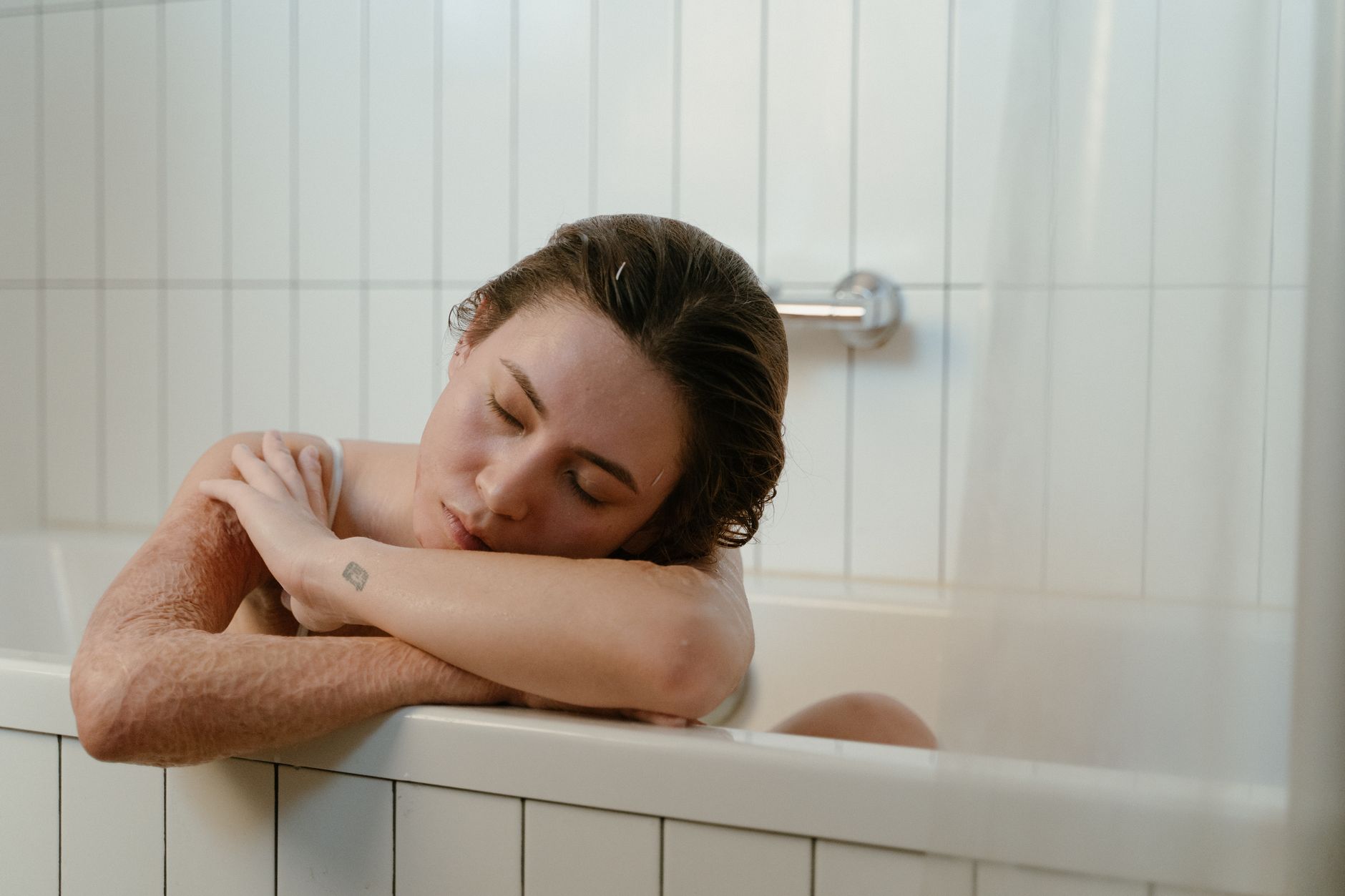
Hydrotherapy has been used across cultures for thousands of years, from the Roman baths to Japanese onsen traditions. The practice uses water in different temperatures, pressures and forms to support circulation, reduce inflammation, ease muscle tension and calm the nervous system. What makes it distinctive as a holistic health tool is its accessibility: most of what you need is already in your home.
What hydrotherapy actually does in the body
Water affects the body through two primary mechanisms: temperature and buoyancy. Heat dilates blood vessels, drawing blood toward the surface and loosening tight tissue. Cold contracts them, pushing blood inward and triggering an anti-inflammatory response. Switching between the two stimulates the cardiovascular system in a way that steady-temperature exposure simply cannot replicate. If you've been exploring contrast therapy at home for recovery and calm, you've already touched the edges of hydrotherapy without perhaps naming it as such.
Buoyancy is the other variable. Water reduces the effective weight your joints carry, which is why immersion eases chronic pain so reliably. For people managing arthritis, lower back pain or post-exercise soreness, even a standard bath provides meaningful relief. The water doesn't need to be in a clinic to work.
Simple hydrotherapy methods you can use today
You don't need specialised equipment to start. These four approaches use what most bathrooms already offer.
- Warm soak with Epsom salts. A 20-minute bath at around 38 to 40 degrees Celsius relaxes muscle fascia and reduces cortisol. Epsom salts (magnesium sulphate) add transdermal magnesium, which supports nervous system recovery.
- Cold foot bath. Immersing the feet in cold water for 3 to 5 minutes stimulates the vagus nerve and can reduce tension headaches. Finish with warm water to restore circulation.
- Scots shower. A traditional hydrotherapy technique involving alternating 2 minutes of warm water with 30 seconds of cold, repeated 3 times. End on cold for a stimulating effect, or warm for a calming one.
- Warm compress on joints. A cloth soaked in warm water and applied to a stiff knee, shoulder or lower back for 10 to 15 minutes eases localised tension before movement.
If you already use heat therapy for muscle recovery and deep rest, adding a cold phase afterward turns a single-temperature practice into a full hydrotherapy circuit.
The nervous system connection
Hydrotherapy's effect on the autonomic nervous system is one of its most clinically studied aspects. Warm water activates the parasympathetic branch, the rest-and-digest state, lowering heart rate and inviting the kind of deep calm that's hard to reach through intention alone. Cold water does the opposite briefly, then rebounds the system into a relaxed alert state. Done regularly, the alternating practice trains the nervous system to move more fluidly between stress and recovery.
Research published by Kneipp-Therapie practitioners in Germany, where hydrotherapy has been formalised as Kneipp therapy since the 19th century, consistently shows reductions in cortisol and improved sleep quality among people who practise daily cold-warm sequences. The evidence base is modest by pharmaceutical standards but strong relative to most lifestyle interventions.
When hydrotherapy works best
Hydrotherapy suits a wide range of conditions and life circumstances. It's particularly useful for people recovering from physical exertion, managing chronic tension, navigating high-stress periods or dealing with poor sleep. The practice doesn't require a specific health goal. Many people simply find that daily contact with warm or cold water, done deliberately rather than mechanically, changes how they feel in their bodies.
It works equally well as a standalone morning practice or an evening wind-down ritual. A warm soak an hour before bed, for example, raises the core body temperature slightly. As you cool after leaving the bath, that temperature drop signals the brain to release melatonin. The timing matters. Twenty minutes at the right temperature is more effective than a longer soak without intention behind it.
What to avoid and when to check in with a practitioner
Hydrotherapy is safe for most people, but a few situations call for caution. Very hot water (above 42 degrees Celsius) can be problematic for anyone with cardiovascular conditions or low blood pressure. Cold immersion, particularly full cold showers or plunge baths, should be introduced gradually. If you have Raynaud's disease, peripheral neuropathy or are in the first trimester of pregnancy, check with your GP before starting cold-water practices.
Prolonged hot soaks over 30 minutes can also dehydrate you faster than expected. Drink water before and after, especially in warm Queensland weather where you may already be running slightly low on fluids.
Building hydrotherapy into a broader wellness practice
Hydrotherapy slots naturally into a broader holistic health routine. It pairs well with breathwork, gentle movement and other body-based practices that work through physical sensation rather than cognition. Many people find it a grounding counterpart to meditation: the body needs something tactile and immediate, and water provides exactly that.
At Spirit of Rainbow, Rainbow Beach's location on the Queensland coast gives guests access to natural hydrotherapy in the form of ocean swimming, tidal pools and seasonal warm water year-round. The ocean is the original hydrotherapy environment, and spending time in it intentionally, not just recreationally, carries all of the same physiological benefits as a structured home practice.
Start with one method. A warm Epsom salt bath on three evenings this week is enough to notice a difference. Then layer in a brief cold finish to your morning shower. The practice builds on itself, and consistency over weeks is what shifts the baseline.