
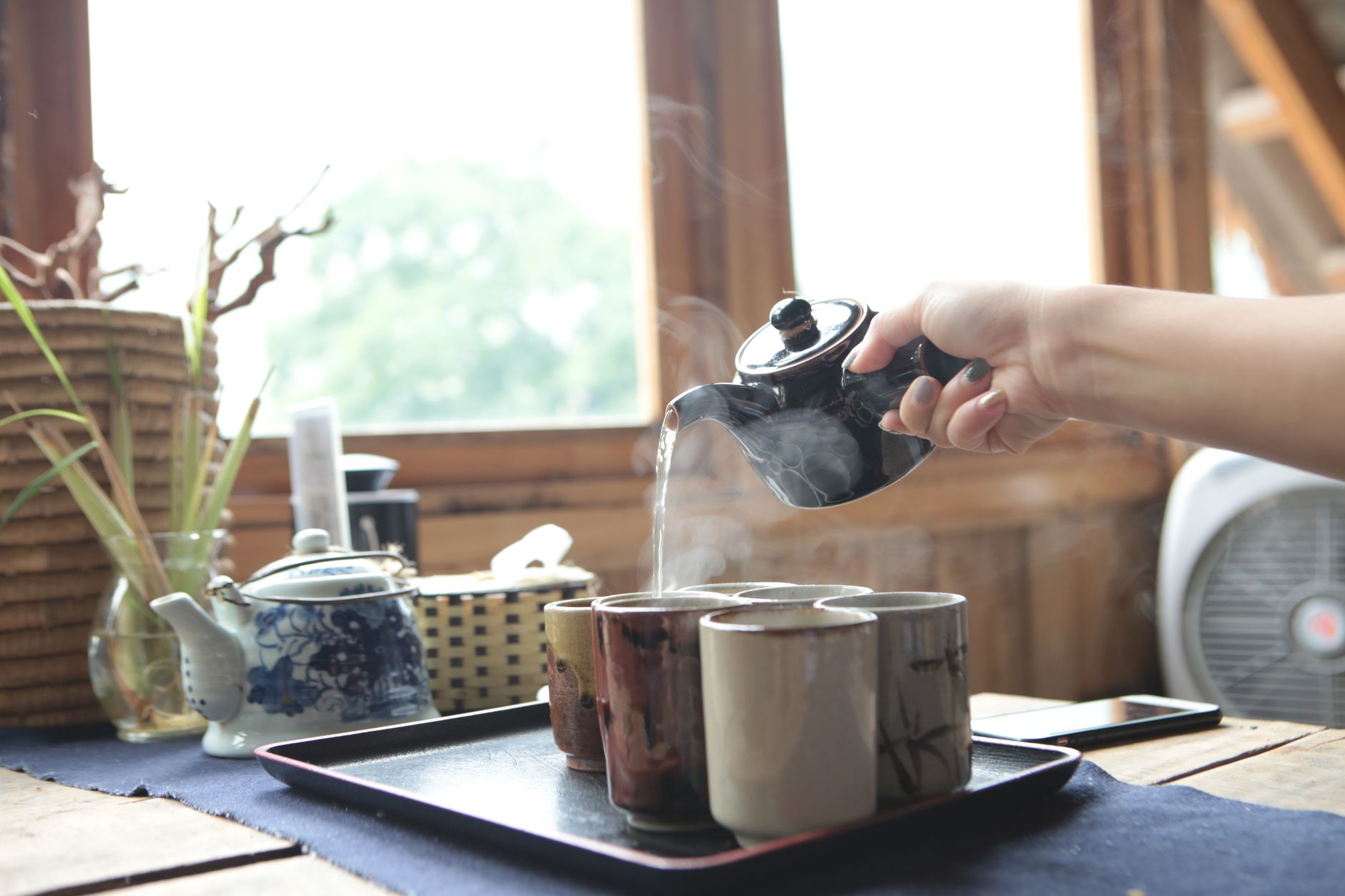
Herbal tea rituals have been central to natural healing traditions for thousands of years, across cultures as different as traditional Chinese medicine, Ayurveda and European herbalism. Yet in most households, the tea tin gets opened on autopilot, the same bag dunked in the same mug, and the potential of the practice goes almost entirely untapped. The choice of herb matters. So does the way you brew it and, most importantly, the intention you bring to it.
Why herbal tea counts as a holistic health practice
A cup of chamomile before bed isn't just a warm drink. It's a signal to your nervous system that the day is winding down. That's not wishful thinking. Chamomile contains apigenin, a compound that binds to receptors in the brain associated with reduced anxiety and the onset of sleep. The ritual surrounding the brew, the act of boiling water, choosing a cup, sitting still for five minutes, amplifies those physiological effects by reinforcing the same calming cues.
Herbal tea sits neatly alongside other accessible holistic practices. If you're already exploring breathwork, you'll recognise the same principle at work: a simple, repeatable act that interrupts the nervous system's stress response and creates a moment of conscious pause. The two pair well together.
Matching the herb to your mood
Different herbs carry genuinely different active compounds, and different compounds do different things. The matching doesn't need to be complicated. Think of it in four broad moods.
When you need to calm down: chamomile, lemon balm and passionflower are your starting points. Lemon balm (Melissa officinalis) has a mild sedative effect through its rosmarinic acid content and works well earlier in the evening when you want to soften the edges without fully switching off. Passionflower is stronger and better suited to nights when the mind won't stop looping.
When you need to lift your energy without caffeine: peppermint is the most reliable option. The menthol compounds stimulate alertness and ease digestive discomfort that can drag on concentration. Rosemary tea, less common but worth trying, carries similar stimulating properties. Neither will cause the cortisol spike that follows a second coffee.
When you're dealing with physical tension: ginger and turmeric both carry anti-inflammatory compounds. A brew of fresh ginger root steeped for 10 minutes is noticeably stronger than any teabag version. Add a small pinch of black pepper when using turmeric, which activates the curcumin and improves absorption significantly.
When you want emotional steadiness: ashwagandha root and holy basil (tulsi) are both adaptogens, meaning they support the body's response to stress rather than simply sedating or stimulating. Tulsi in particular has a pleasant, slightly spiced flavour that makes it easy to drink daily.
How to brew properly
Most people use water that's too hot and steep for too short a time. Boiling water (100°C) works for roots and bark, but it destroys the volatile aromatic compounds in delicate herbs like chamomile and lemon balm. For leaf and flower herbs, bring water to just below boiling, around 90°C, and steep covered for at least 5 minutes. Covering the cup traps the steam-carried essential oils inside, which are often where the most active constituents sit.
Fresh herbs brew differently from dried. Fresh ginger and fresh peppermint need more volume but produce a noticeably brighter result. A good baseline: 1 heaped teaspoon of dried herb per cup, or 3 teaspoons of fresh herb, covered and steeped for 5 to 10 minutes depending on how strong you want it.
Quality matters more than most people realise. Loose-leaf herbs from a reputable supplier retain more of their active compounds than supermarket teabags, which can sit in warehouses for months after processing. The Australian Traditional-Medicine Society maintains a directory of qualified herbalists who can recommend reliable suppliers and advise on therapeutic-grade herbs if you want to go deeper.
Building the ritual itself
The tea is only part of it. The ritual is the container.
Choosing a specific cup or vessel, one you use only for this practice, creates a sensory anchor that over time strengthens the psychological effect of the brew. This isn't superstition. It's the same conditioning principle that makes a particular song feel calming because you always heard it in a calm moment.
Sit down. That's it. Don't drink while scrolling, standing at the bench, or walking between tasks. Five minutes of sitting with a cup of lemon balm will do more than twenty minutes of carrying it around the house. This connects directly to the broader value of practising real rest: the point is the pause, not just the substance.
Some people benefit from a small notebook kept next to their tea spot. Not a journal, just a place to write one or two sentences about how they feel before the cup and after. Done over a few weeks, this builds a personal map of which herbs work for you specifically, because individual responses vary more than most guides acknowledge.
A few safety notes worth knowing
Herbal teas are generally very safe, but a small number of herbs interact with medications. St John's Wort, for example, reduces the effectiveness of some antidepressants and hormonal contraceptives and shouldn't be treated as a casual daily drink. If you're on any ongoing medication, check with your GP or pharmacist before adding a therapeutic herb to your daily routine. Pregnancy introduces additional considerations with certain herbs, including high-dose ginger, rosemary and passionflower.
The herbs described in this article, chamomile, lemon balm, peppermint, tulsi, and ginger at normal culinary doses, are widely regarded as safe for most adults. Stay within reasonable quantities. Two to three cups per day of any single herb is a sensible upper limit unless you've had specific advice to do otherwise.
Start simply. One herb, one time of day, for two weeks. Notice what shifts. The ritual's value compounds quietly, the way most good things do.