
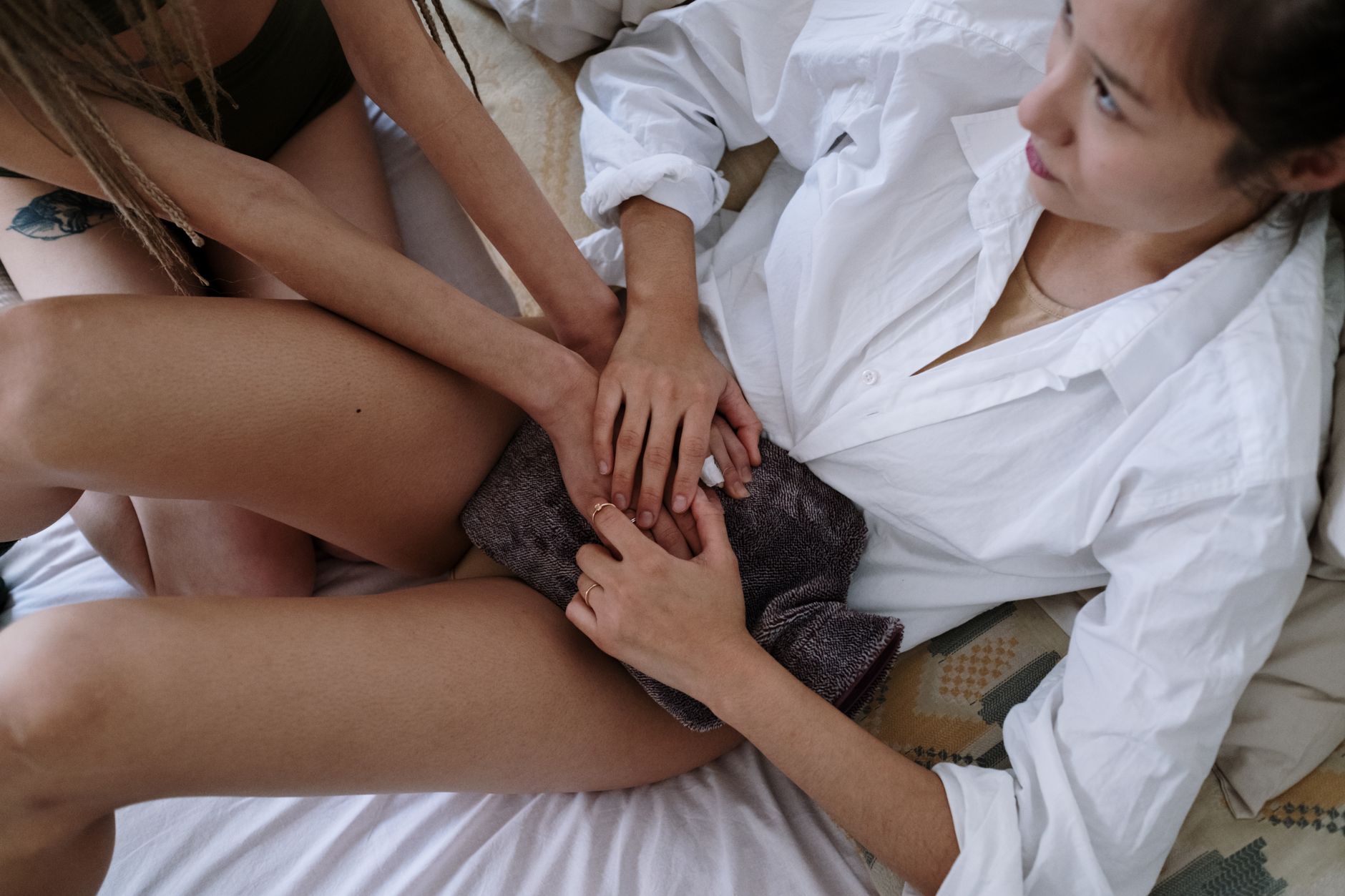
Heat therapy works by drawing blood to the surface of the skin, relaxing muscle fibres, and calming the nervous system in ways that cold exposure simply can't replicate. Whether you've been carrying tension in your shoulders for weeks or your legs are sore from a long walk along the sunrise trails at Rainbow Beach, targeted heat application is a practical tool that most people already own and rarely use well.
What heat actually does to the body
When heat is applied to tissue, local blood vessels dilate. More blood arrives. Muscle fibres that have been held in a contracted, protective state begin to soften. Connective tissue becomes more pliable. For anyone who carries chronic tension in the neck, lower back or hips, this is the mechanism that makes a heat pack feel like a minor miracle after 20 minutes.
Heat also signals safety to the nervous system. The body reads warmth as an indicator of a stable, non-threatening environment, which is part of why a warm bath before bed tends to lower cortisol and make sleep easier. It isn't just comfort. It's a physiological shift.
The effect on pain perception is equally direct. Heat activates thermoreceptors in the skin, which compete with pain signals for the same neural pathways. The result is a temporary but real reduction in the sensation of discomfort, particularly for dull, aching, chronic pain rather than sharp or acute injury pain.
When to use heat (and when not to)
Heat is most useful for muscle tension, stiffness, delayed-onset soreness (the kind that peaks 24 to 48 hours after exercise), and chronic joint discomfort related to conditions like arthritis. It's also well-suited for menstrual cramps, where it performs comparably to low-dose ibuprofen in published research.
Heat is not appropriate in the first 48 to 72 hours after an acute injury. A fresh sprain, a bruise that is still developing, or any area with active swelling needs cold first, not warmth. Applying heat too early increases blood flow to an already inflamed site and extends the inflammatory response. Wait for swelling to subside before reaching for the heat pack.
People with conditions affecting skin sensation, including certain forms of neuropathy or diabetes, should be cautious. Without reliable feedback from the skin, it's easier to sustain a burn without realising it. Always place a layer of fabric between the heat source and bare skin.
The best forms of heat therapy at home
Not all heat delivery is equal. The form you choose affects how deeply the warmth penetrates and how long the effect lasts.
- Moist heat packs: A wheat bag heated in a microwave, or a damp towel warmed in the oven, delivers moist heat that penetrates more effectively than dry heat at the same temperature. Moist heat is the preferred form for deep muscle tension.
- Warm baths and foot soaks: Full immersion warms the body systemically, not just at one site. A 20-minute bath at around 39 to 40 degrees Celsius before bed reduces core temperature more quickly once you exit, which signals the body to shift into sleep mode.
- Heat patches: Self-adhesive patches that generate low-level heat over several hours are particularly useful for lower back pain during daily activity. They allow you to move freely while still receiving continuous gentle heat.
Dry electric heating pads are convenient but tend to dehydrate the tissue slightly over long sessions. If you use one regularly, keep sessions under 30 minutes and rehydrate the area with a moisturiser or body oil afterwards.
Pairing heat therapy with rest
Heat works best when the body isn't simultaneously being asked to do something else. That sounds obvious, but most people apply a heat pack while sitting at a desk or watching television with the room lights on. The nervous system can't fully downshift in those conditions.
The most effective approach is to combine heat with deliberate rest. Lie down in a quiet room. Dim or turn off overhead lights. If you've built a consistent calming bedtime environment, use it. The heat pack becomes a cue that the body is about to receive full rest, not partial rest.
Adding a slow breathing practice while the heat is applied amplifies the effect considerably. Four counts in through the nose, six counts out through the mouth. The extended exhale activates the parasympathetic branch of the nervous system, working alongside the warmth to lower heart rate and release held tension.
How long and how hot
For targeted muscle recovery, 15 to 25 minutes is the effective window for a single session. Beyond 30 minutes, most of the physiological benefit has already occurred and the tissue begins to habituate to the temperature. Two shorter sessions, spaced an hour apart, are more effective than one long one.
Temperature matters. The therapeutic range sits between 40 and 45 degrees Celsius at the skin surface. Above 48 degrees, tissue damage begins. Below 38 degrees, the vasodilatory response is minimal. You want warmth that feels comfortably intense, not warmth that requires you to keep checking whether it's too hot.
If you're pairing heat with something like a body scan meditation practice, the heat pack gives you an immediate physical anchor for attention. Scan from the feet upward, noticing where warmth has spread, where tension remains, and where the body is starting to let go. It's one of the more grounded ways to use that practice.
Heat therapy as part of a broader recovery rhythm
The most consistent benefits come from treating heat therapy as a practice rather than an occasional fix. Three to four sessions per week, timed around physical activity or at the end of high-demand days, produce a cumulative effect on both muscle suppleness and sleep quality that a single session can't deliver.
It doesn't require investment in equipment. A basic wheat bag costs under $20 and lasts for years. A warm bath costs almost nothing. What it requires is the decision to stop, lie down, and let the body receive something instead of produce something. That shift is harder for most people than the logistics.
Start with one intentional session this week. Choose a quiet 20 minutes, apply heat to wherever you're carrying the most tension, breathe slowly, and do nothing else. The body knows what to do with that kind of attention.