
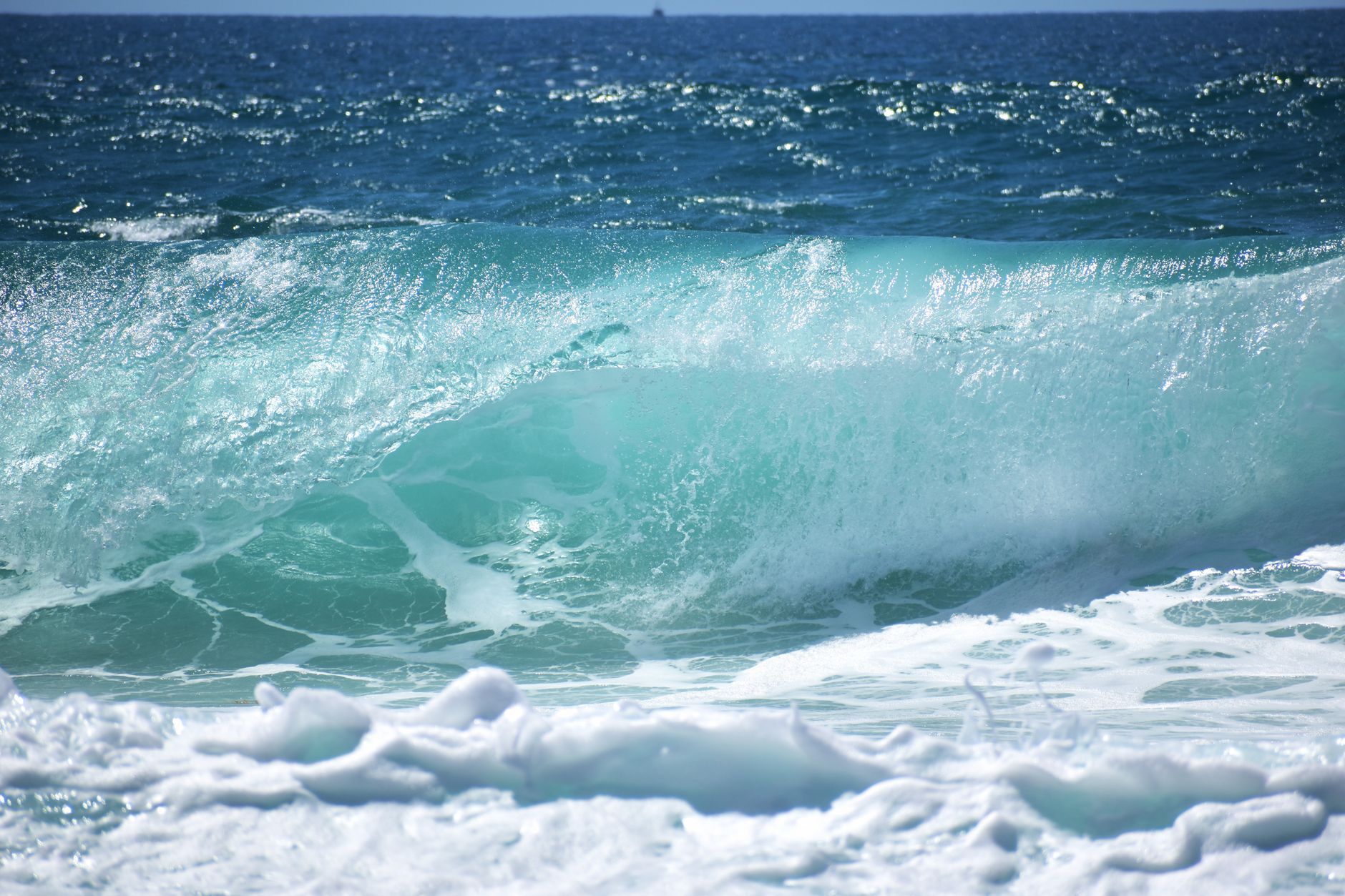
Thalassotherapy is the therapeutic use of seawater, sea air, marine mud and seaweed to support physical and mental wellbeing. The word comes from the Greek thalassa, meaning sea. It's been practised in coastal communities for centuries, formalised into structured treatment programmes in 19th-century France, and it remains one of holistic health's most evidence-grounded natural therapies. The core principle is straightforward: the mineral composition of seawater closely mirrors that of human blood plasma, which makes immersion in it unusually supportive for the body's own repair processes.
What thalassotherapy actually involves
At its simplest, thalassotherapy is seawater immersion. At its most structured, it includes a range of marine-derived treatments used in sequence over several days. These typically include seawater baths at body temperature, underwater jet massage, seaweed wraps, marine mud packs and inhalation of salt-laden sea air. The goal in each case is to draw minerals through the skin and into the tissues, while the warmth of the water relaxes the nervous system and eases muscular tension.
Seawater contains magnesium, potassium, calcium, iodine and zinc in concentrations that vary by location but are broadly consistent across coastal seawater worldwide. Each of these plays a role in cellular repair, inflammation reduction or nerve regulation. Magnesium, for instance, is absorbed transdermally during immersion and is known to support the same calming effect on the nervous system that makes magnesium supplementation useful for sleep and stress. The sea simply delivers it differently.
The difference between swimming and therapeutic immersion
Not all time in the ocean counts as thalassotherapy. The distinction is intention and method. Casual swimming is intermittent, often vigorous, and usually too brief for sustained mineral absorption. Thalassotherapy involves longer, warmer, more deliberate immersion, often in stillness rather than active movement. The water temperature matters. Heated seawater at around 33 to 37 degrees Celsius opens the skin's pores and allows minerals to pass more readily into the body. Cold-water immersion has its own benefits (primarily through nervous system stimulation and inflammation reduction), but it works through a different mechanism. Thalassotherapy is not the same as cold exposure, even when it uses the ocean as its medium.
That said, any deliberate time spent standing at the ocean's edge, breathing salt air deeply, or floating in calm shallows carries a measurable effect on the nervous system. The negative ions produced by breaking waves have been associated with elevated serotonin levels in several research settings. This is not a small thing. It's part of why coastal environments feel different from inland ones, and why nature-based approaches to healing carry weight beyond the anecdotal.
Seaweed, mud and marine elements beyond water
Thalassotherapy extends well beyond immersion. Seaweed wraps are one of its most widely used applications. Brown algae in particular, including species like Laminaria digitata, are rich in iodine and amino acids. Applied as a warm wrap to the body, they promote circulation, ease joint inflammation and support lymphatic function. The warmth itself is therapeutic, working in a similar way to hydrotherapy's application of temperature to ease pain and tension.
Marine mud packs are another component. Used for millennia in coastal cultures, marine mud contains a dense concentration of minerals, trace elements and organic compounds from decomposed sea plants. Applied to painful joints, inflamed tissue or areas of chronic tension, marine mud draws heat into the skin and muscle while releasing mineral compounds into the tissue. Research published in peer-reviewed rheumatology journals has found measurable reductions in joint pain markers following a course of marine mud therapy, particularly in people managing osteoarthritis.
Sea air inhalation rounds out the picture. Breathing air at the ocean's edge delivers fine saline particles directly into the respiratory tract, reducing inflammation in the airways, loosening mucus and supporting immune function. For people with chronic respiratory conditions, structured inhalation sessions in a marine environment can offer meaningful relief.
Who thalassotherapy suits
Thalassotherapy is well tolerated by most people and carries few contraindications when practised sensibly. It's particularly useful for:
- Chronic joint and muscle pain, including arthritis and fibromyalgia
- Post-injury recovery and rehabilitation
- Stress and nervous system dysregulation
- Skin conditions including psoriasis and eczema (salt water reduces bacterial load and supports skin barrier function)
- Fatigue and immune depletion
People with open wounds, active skin infections, cardiovascular instability or iodine sensitivity should consult a health practitioner before beginning any form of structured thalassotherapy. Heated seawater raises the heart rate modestly, so those with known cardiac conditions need personalised advice.
Trying thalassotherapy at Rainbow Beach
Rainbow Beach sits on one of Queensland's most pristine stretches of coastline, with clean, mineral-rich ocean water and consistent sea breezes that carry the kind of salt air thalassotherapy has always relied on. You don't need a clinical facility to access its benefits here. The beach itself is the starting point.
A deliberate morning session in the shallows, sustained for 20 minutes or more in calm conditions, begins to deliver the mineral and nervous system effects described above. The coloured cliffs and open sky add something that no indoor spa can replicate: genuine immersion in a natural environment that settles the nervous system through multiple senses at once. Combining that kind of session with quiet time in the sea air, some movement and genuine rest creates something close to what a structured thalassotherapy programme offers in a clinic setting. For those staying at Rainbow Beach for several days, it's worth building this kind of session into the rhythm of each morning before the beach gets busy.
If you're planning time here with restoration as the primary goal, the Rainbow Beach wellness itinerary offers a practical structure for weaving this kind of practice into each day alongside everything else the Cooloola Coast offers.
Bringing thalassotherapy home
Distance from the coast doesn't have to end your practice. Concentrated marine preparations, including dried seaweed bath sachets, marine salt blends and thalasso oils, are sold by specialist marine cosmetic companies for use in a standard bath at home. These won't replicate the depth of immersion in living seawater, but they do deliver a meaningful portion of the mineral and relaxation benefit. A 20-minute bath in a magnesium-rich marine salt blend, in a warm room with no screens, is a reasonable approximation of the lower-intensity end of thalassotherapy. It's also compatible with most people's weekly routines without requiring any travel or booking.
The practice scales. From a full-week clinical programme on the French coast to a 20-minute soak at home, the core mechanism is the same: marine minerals, warm water, and the particular quality of stillness that the ocean always seems to carry with it, even when it's miles away.