
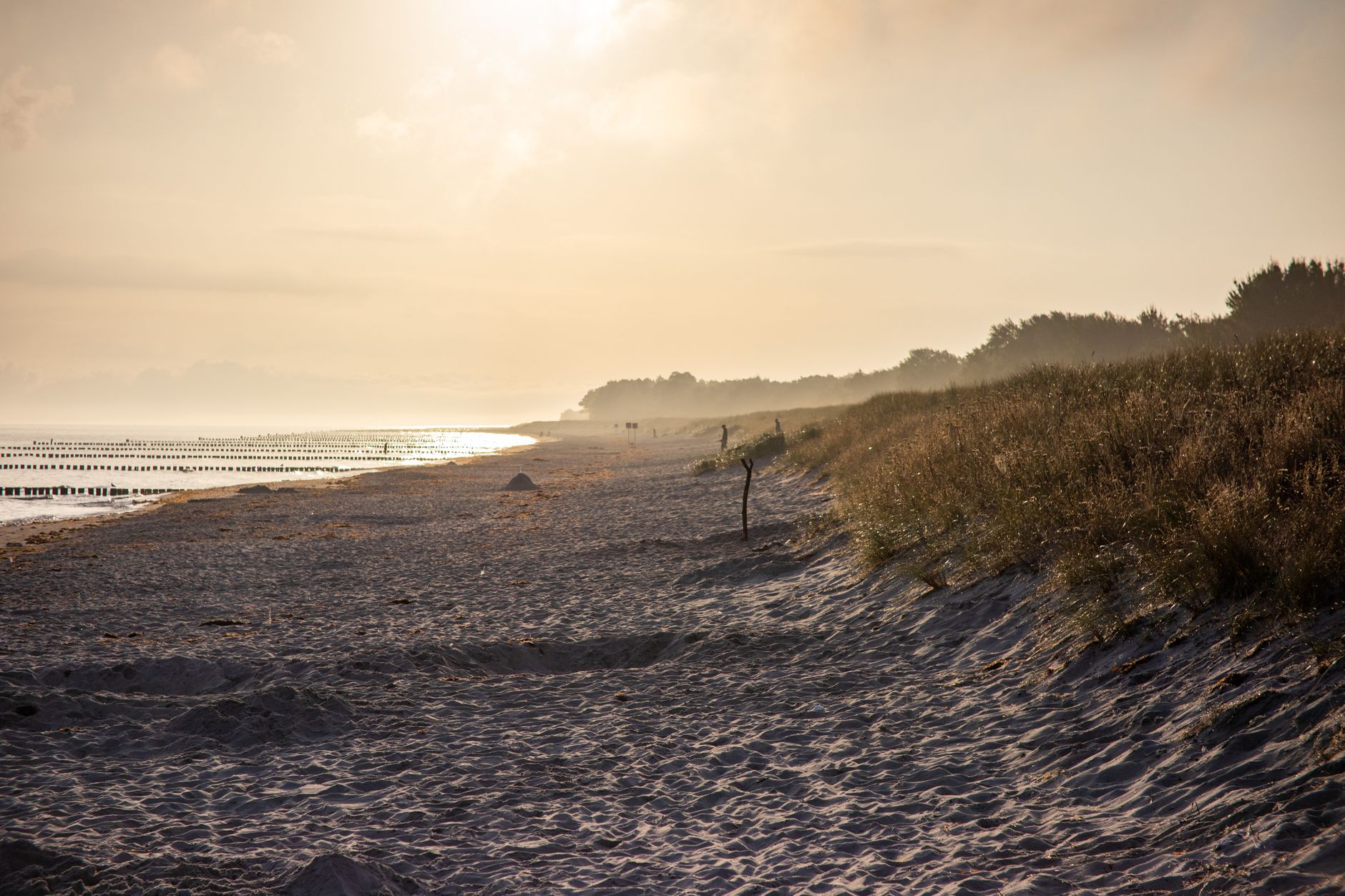
Rainbow Beach rewards patience in a way that quick visits simply can't reach. Most people arrive, photograph the coloured cliffs, buy an ice cream and leave. If you stay three days or longer and commit to moving slowly, the Cooloola Coast reveals a different personality: quieter, richer in wildlife, and genuinely restorative in the way coastal wilderness can be when you're not trying to get somewhere.
Why slow travel suits this stretch of coast
The Cooloola Coast isn't set up for itinerary-cramming. There's one main street, no traffic lights, and mobile reception that drops out past the national park boundary. That's not a flaw. It means the place pushes back against the speed most travellers bring with them, and the visitors who adapt tend to leave saying it was the best part of their trip.
Slow travel here means picking one or two things per day and actually finishing them, rather than ticking off seven activities before lunch. It means eating breakfast before your walk instead of during it. It means sitting on the beach long enough to see the light shift. Rainbow Beach's wild sand dunes, tidal flats and national park edges are built for this kind of attention. The details only appear when you're not rushing past them.
Day one: arrive, orient, do less than you think you should
The temptation on arrival day is to immediately head for the cliffs or the dunes. Resist it. Use the first afternoon to get your bearings. Walk the length of the beach from the main access point south toward the rocky headland. Don't bring a camera. Don't try to cover ground. This walk exists purely to let your nervous system start adjusting to a slower pace.
In the early evening, position yourself somewhere with an unobstructed western view. Sunset watching at Rainbow Beach is most rewarding when you've already slowed down enough to notice the gradual colour change, rather than arriving at the last minute and leaving before the afterglow.
Eat somewhere local and eat early. The town quiets down fast after dark, and that's worth embracing. A short walk after dinner along the foreshore, when the day-trippers have gone and the beach is near-empty, is one of the underrated pleasures of staying overnight here.
Day two: get into the national park
The Cooloola Section of Great Sandy National Park begins right where the town ends. This is where slow travel earns its keep. A morning spent walking into the national park, even just 2 to 3 kilometres on foot, puts you in a landscape that feels genuinely remote without requiring a four-wheel drive or a guide.
If your fitness allows, the Cooloola Great Walk can be sampled in day sections. You don't need to commit to the full 102-kilometre multi-day trek. Even a three-hour section into the wallum heathland and back gives you a sense of the walking as a whole: the sandy trails, the paperbark wetlands, the near-silence that builds once you're away from the access roads.
Spend the afternoon at the cliffs. The coloured sand formations at Carlo Point are best visited in the mid-to-late afternoon when the low light deepens the ochre, red and white bands. Spend at least an hour rather than fifteen minutes. Sit down. Watch how the colours shift as cloud cover moves across the sky.
Day three: water, wildlife and an unscheduled hour
By day three, if you've genuinely slowed down, you'll notice you're waking up earlier and sleeping more soundly. This is the day to get on or near the water before 8am. The ocean surface is typically calmer in the mornings, wildlife is more active, and you'll have the beach almost to yourself.
Dolphins are sighted regularly along this stretch of coast, and the best conditions are early, calm and unhurried. Dolphin watching at Rainbow Beach works best when you pick a spot and stay there, rather than walking and scanning. Choose a point about 200 metres north of the main beach access, sit on the dry sand above the tide line, and watch the water for 20 to 30 minutes.
Leave one window of two hours on day three with nothing in it. No activity, no plan. Slow travel's real test is how you handle unstructured time. Bring a book. Sleep on the beach. Walk somewhere you haven't walked yet. The Cooloola Coast is generous with those who ask nothing specific of it.
Practical notes for multi-day stays
Accommodation in Rainbow Beach ranges from campgrounds in the national park to private stays and holiday rentals in the town. If you want to fully decompress, prioritise somewhere quiet and private over somewhere central. The walk to the beach is short regardless of where you stay.
Bring more food than you think you need. The town has a supermarket and a handful of cafes, but options thin out by mid-evening and there's nothing open before 7am. Self-catering for breakfasts gives you the flexibility to eat when you want without waiting for a venue to open.
Be honest about your tempo before you arrive. Slow travel is genuinely restful only if you've given yourself permission to rest. If you're arriving off a stressful week and expecting Rainbow Beach to do all the work, it helps to read a Rainbow Beach wellness itinerary beforehand and consider what you're actually hoping the days will feel like, rather than what you're hoping to see.
For families, the slow travel approach is worth adjusting slightly: kids generally need one structured activity per day to feel settled. The dunes, the rock pools at low tide and the beach itself cover that without any planning. Let the rest of the day unfold.
What you notice on the last morning
On the final morning of a multi-day slow stay, most people notice something specific: they stopped checking the time at some point in the middle of the trip and didn't notice until now. That's the signal that the pace worked. Rainbow Beach is one of those places where the environment does most of the resetting for you, provided you've given it enough days to finish the job.
Leave later than you think you need to. The drive out on a rested body is a different experience from the drive in. The coast recedes slowly in the rear-view mirror, and that last look tends to linger.