
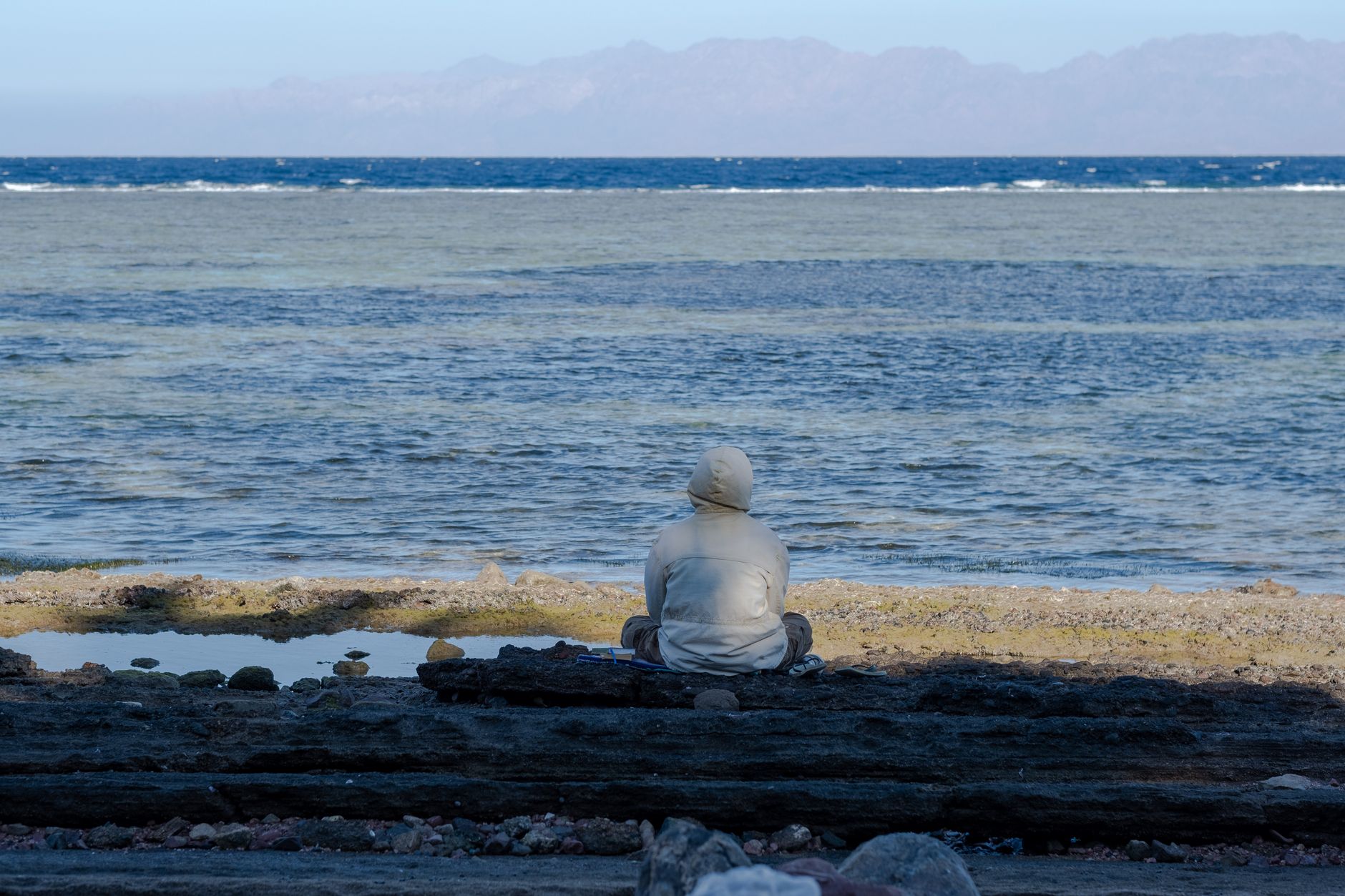
Burnout is not just tiredness. It's a state where your nervous system has been running on fumes for so long that ordinary rest no longer reaches it. A sleep-in doesn't fix it. A long weekend doesn't fix it. What breaks a burnout cycle is removing yourself from the environment that's generating the stress, for long enough that your body actually believes the pressure has stopped. That's what a retreat, done intentionally, can do.
Why ordinary rest doesn't reach burnout
When you're burned out, your stress response stays activated even when you're technically "off." You lie in bed replaying work conversations. You feel guilty on days off. Your body stays braced. The environment around you, familiar spaces, familiar sounds, the pull of your phone, keeps signalling that the pressure is still on. You can't down-regulate when the cues haven't changed.
A retreat removes those cues. A different place, a different pace, a structure not built around your responsibilities. The nervous system needs that contrast. Without it, most people come back from rest feeling slightly better but not reset, and the cycle resumes within days.
What a retreat can realistically do
It won't solve the conditions causing your burnout. The job, the caring role, the relationship dynamic: those will be there when you return. What a retreat does is give your body a genuine window to recover its baseline. From that baseline, you think more clearly, you make better decisions, and you return to the same circumstances with more capacity to change them.
Think of it as creating the conditions for recovery, not delivering recovery itself. The retreat holds space. You do the actual work, which is mostly just letting yourself rest without guilt.
One session of journalling during a retreat can also surface things that ordinary life keeps buried. When the noise drops enough, you often discover that your burnout has a specific shape, a particular boundary that's been breached, a need that's gone unmet for months. That clarity is part of what you take home.
Choosing a retreat when you're already depleted
This matters more than most people realise. When you're burned out, a high-stimulus retreat with packed programming, group workshops every two hours and social pressure to "get the most out of it" can actually extend your depletion rather than ease it. Burnout recovery needs a particular kind of retreat: low structure, restorative rather than intensive, with plenty of unscheduled time.
Look for these qualities: small group or solo format, access to nature, minimal social obligation, and days that start slowly. An environment close to the ocean or bush works especially well. Nature-based retreats offer something an indoor wellness programme can't: the sensory shift of being genuinely outside, which has measurable effects on cortisol levels within hours.
Location matters too. Rainbow Beach, on the Cooloola Coast in Queensland, is the kind of setting that does a lot of the work passively. The sound of the ocean, the coloured sand cliffs, the absence of city noise. These aren't luxuries. For a burned-out nervous system, they're therapeutic inputs.
Before you leave: what to do
Most people spend the first day of a retreat just decompressing from the logistics of getting there. You can shorten that window considerably with a few simple steps before you go.
- Clear your most urgent tasks so your mind isn't carrying unfinished business into the retreat.
- Set an honest out-of-office, not one that invites people to contact you anyway.
- Tell one or two people exactly when you'll be reachable again. Not available. Reachable.
- Pack light. Decision fatigue about what to wear is not what you need on day one.
If anxiety is part of your burnout picture, it's worth reading how others have prepared for this. The experience of walking into a retreat already half-settled is very different from arriving wound-up and needing three days to let go.
During the retreat: resist the urge to fill the silence
Burnout conditions you to feel productive or worthless. The moment you sit still, a voice tells you you're wasting time. That voice is part of what you're there to quiet. The most counterproductive thing you can do in a restorative retreat is schedule every hour to prove to yourself you're using it well.
Walk slowly. Sit with a drink somewhere quiet. Sleep when you're tired, even if it's 2pm. Eat without multitasking. These are not small things. For someone running on a burnout cycle, they are genuinely difficult, and doing them anyway is the work.
If you feel restless, let the restlessness sit. Within a day or two, most people report that it passes and is replaced by something quieter. That's the nervous system beginning to down-regulate. Don't interrupt it.
What to watch for when you return
The return home is where the work either holds or collapses. Most people land back in their usual environment within 48 hours and feel the old patterns close around them like water. This doesn't mean the retreat failed. It means you haven't yet changed the conditions.
Use the first week back deliberately. Hold one or two things you noticed during the retreat. Keep one morning slow. Protect one evening. Don't agree to everything immediately because you feel temporarily restored and guilty about your absence. The restored version of you needs to negotiate with the old schedule, not simply absorb it again.
Burnout cycles break when you interrupt them consistently, not once. A retreat gives you the first interruption and, if you choose it well, a clearer view of where the cycle starts. That's where to put your attention when you're back.
Spirit of Rainbow Beach: the setting
Spirit of Rainbow Beach offers accommodation and retreat space in the heart of Rainbow Beach, Queensland. The property is private, peaceful and positioned for exactly the kind of restorative stay that burnout recovery calls for. Cooloola National Park is minutes away. The beach is close enough to hear. The pace here is set by the tides, not a schedule.
If you're carrying the weight of a burnout cycle and looking for the right place to put it down for a while, this is the kind of setting that makes the difference between a break and a genuine reset.