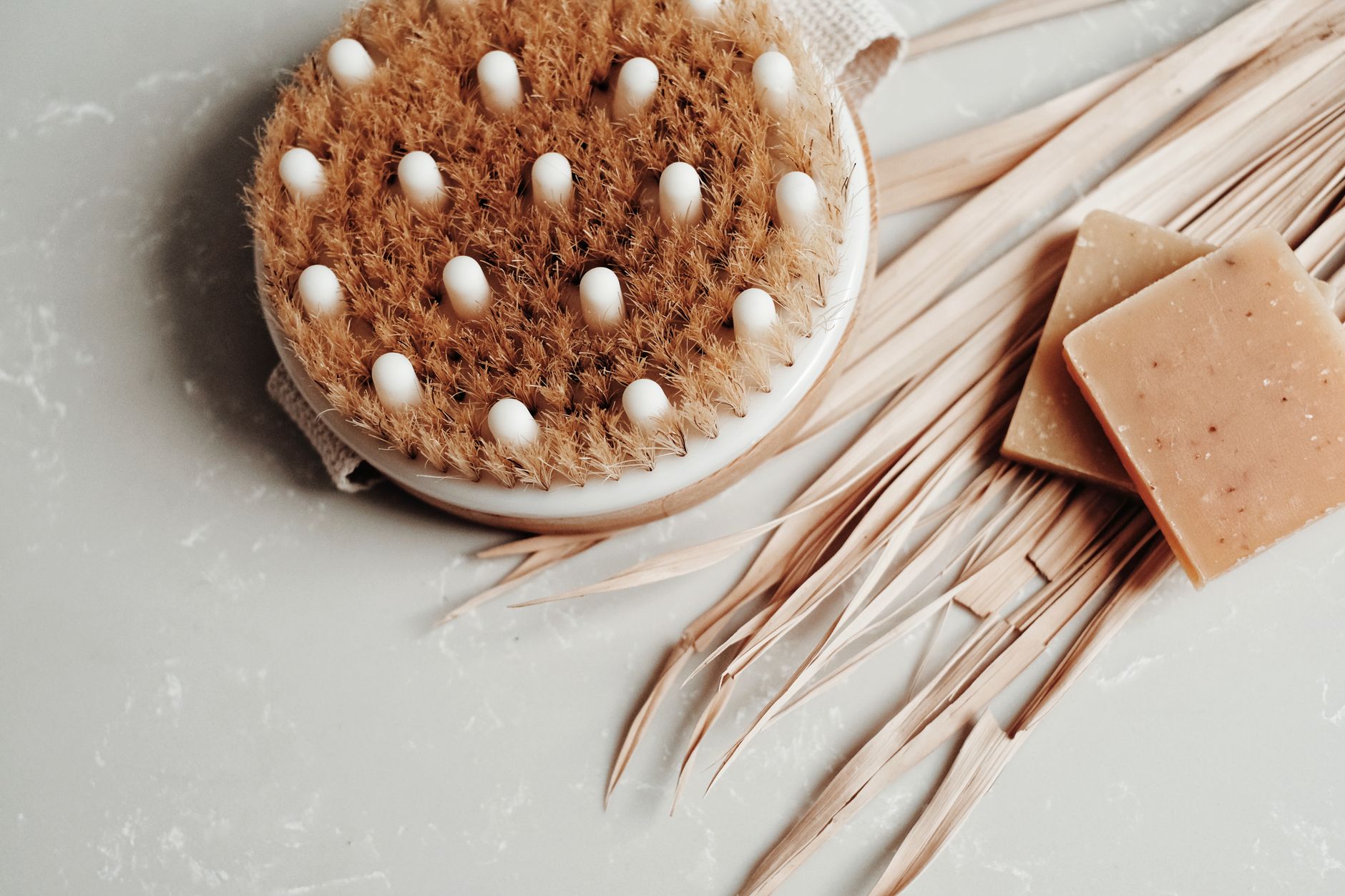
Dry brushing is a practice that shows up across Ayurvedic medicine, traditional Scandinavian bathing culture and modern naturopathy, yet most people have never tried it. The principle is straightforward: you use a firm, natural-bristle brush on dry skin, working in long strokes toward the heart, before you shower. That's it. No special products, no appointment, no equipment beyond one brush.
What makes dry brushing more than a skincare trend is what it does beneath the surface. The skin is the body's largest organ and one of its primary detoxification channels. Regular dry brushing helps remove dead skin cells, stimulates circulation and, according to practitioners of lymphatic health, encourages the lymphatic system to drain more efficiently. The lymphatic system doesn't have a pump the way the cardiovascular system has the heart, so it relies on movement, breath and physical stimulation to keep fluid circulating.
What dry brushing actually does to your body
The most immediate effect is exfoliation. Dead cells slough away and skin feels noticeably smoother within the first few sessions. But the mechanical pressure of the bristles also stimulates superficial blood flow, which is why skin looks briefly pink after brushing. That flush of circulation delivers oxygen and nutrients to the skin's surface and gives you a noticeable lift in alertness, which is why morning is the ideal time to do it.
The lymphatic benefit is subtler but real. The lymphatic system sits just beneath the skin in a dense network of vessels, and gentle upward pressure on the skin encourages lymph fluid to move toward the major lymph nodes in the neck, armpits, groin and abdomen. Sluggish lymph can contribute to puffiness, a feeling of heaviness in the limbs and a general sense of low energy. Dry brushing alone won't fix a compromised immune system, but it can support the kind of gentle daily maintenance that keeps the system moving. If you're already exploring practices that support your nervous system and energy levels, cold water therapy pairs particularly well with dry brushing as part of a morning reset.
There's also a sensory dimension worth acknowledging. The rhythmic, deliberate motion of brushing is meditative. It requires you to slow down, pay attention to your own body and follow a sequence. For people who find traditional seated meditation difficult, this kind of movement-based mindfulness can be a genuine gateway.
How to choose the right brush
Natural bristles are non-negotiable. Synthetic fibres are too uniform and often too sharp; they scratch rather than stimulate. Look for a brush made with sisal, cactus fibre or boar bristle, preferably with a long handle so you can reach your back without straining. Firmness matters: a brush that's too soft delivers little stimulation, while one that's too stiff can irritate. A medium firmness is the right starting point for most people.
The Australasian Association of Ayurveda describes the traditional Ayurvedic equivalent of dry brushing, called garshana, as using raw silk or linen gloves rather than a brush. If you have sensitive skin, gloves may be a gentler first step before you commit to a full bristle brush.
One brush is enough to start. Keep it dry between uses, and replace it every few months as the bristles soften and lose their effect.
A simple technique to follow
Start at your feet. Work in long upward strokes along the shins and calves, then the thighs and hips, always moving toward the heart. On the abdomen, use clockwise circular strokes to follow the direction of the digestive tract. Move to the hands and arms next, sweeping from the fingers up toward the shoulders. Use lighter pressure over the chest and avoid the face entirely; the skin there is too delicate for body brushing.
The whole process takes 3 to 5 minutes. You don't need to press hard. The goal is stimulation, not abrasion. If your skin is red for more than a few minutes after brushing, you're pushing too firmly.
Shower immediately afterward to rinse away the exfoliated cells, then apply a natural oil or moisturiser while your skin is still slightly damp. Jojoba, almond or coconut oil all absorb well and complement the work the brushing has already done.
Who should be cautious
Dry brushing isn't for everyone, and knowing when to skip it is part of using it well. Avoid brushing over active eczema, psoriasis, sunburn, open cuts or varicose veins. If you have a diagnosed lymphatic condition, speak with your health practitioner before adding dry brushing to your routine. People with very sensitive or thin skin, including many older adults, may find even medium-bristle brushes too aggressive. Start with two or three sessions per week rather than daily, and assess how your skin responds before increasing frequency.
Pregnant women should avoid brushing the abdomen and should consult a midwife or GP before beginning.
Building it into a ritual that lasts
The practices that stick are the ones attached to something you already do. Because dry brushing happens before a shower, it naturally slots into an existing anchor habit. The sequence becomes: wake, brush, shower, done. That simplicity is its strength.
If you're working on a broader morning structure, dry brushing fits naturally alongside breathwork and conscious breathing practices as part of a body-centred start to the day. Five minutes of dry brushing followed by five minutes of intentional breathing is a 10-minute morning practice that addresses circulation, the nervous system and mental clarity before the day has properly begun.
Keep your brush visible. A brush sitting in the bathroom cupboard is a brush you'll forget. Hanging it on a hook or resting it on the edge of the bath is enough to make it part of what you see when you walk in.
Start with three mornings a week. By the third week, most people find the skin-feel difference is enough to keep them going without needing any additional motivation.