Lymphatic drainage massage is one of the gentler techniques in complementary wellness, yet its effects reach deeper than most people expect. Unlike a Swedish or deep-tissue massage, the pressure is almost feather-light. That's intentional. The lymphatic system sits just beneath the skin, and heavy pressure would simply bypass it.
What the lymphatic system actually does
The lymphatic system is a network of vessels, nodes and fluid that runs alongside your circulatory system. Its job is to collect excess fluid, waste products and immune cells from your tissues and return them to the bloodstream for processing. On a normal day, your body moves around two to three litres of lymph fluid without you noticing. When the system slows, fluid accumulates in the tissues, the immune response gets sluggish, and fatigue becomes persistent.
Unlike the heart, the lymphatic system has no pump. It relies on muscle contraction, breathing and movement to keep fluid circulating. A sedentary lifestyle, poor sleep, chronic stress and illness can all cause the system to slow down. That's where targeted manual techniques make a difference.
How lymphatic drainage massage works
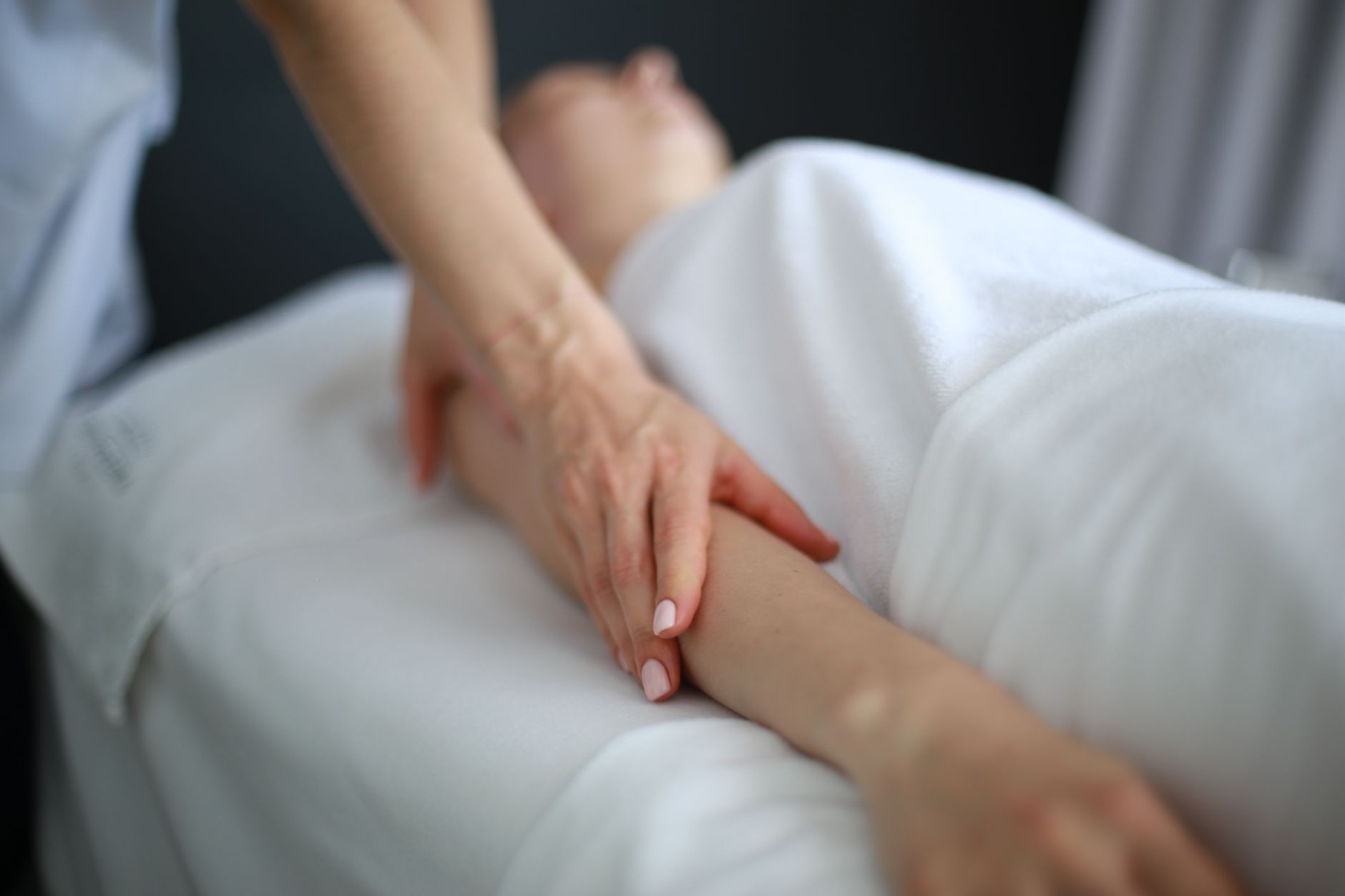
A trained therapist uses slow, repetitive strokes and gentle circular movements to encourage lymph fluid toward the lymph nodes, where it gets filtered. The direction of the strokes matters: they follow the natural flow of the lymphatic vessels, usually moving toward the neck and armpits, where major clusters of nodes sit.
Sessions typically run 60 to 90 minutes. The pressure used is around 30 grams per square centimetre, which feels closer to a light skin stretch than a massage. Most people find it deeply relaxing, and some fall asleep during the session. Afterwards, a mild increase in urination is common as the body clears the fluid that has been mobilised.
Manual lymphatic drainage (MLD) was developed in the 1930s by Danish physiotherapists Emil and Estrid Vodder. Their technique, now formalised as the Vodder method, remains one of the most widely taught standards in clinical and wellness settings.
Who benefits most
The clearest clinical application is lymphoedema, a condition where lymph fluid pools in the limbs, often after cancer surgery or radiation. For people managing lymphoedema, MLD is a core part of treatment. But you don't need a diagnosis to benefit.
People who find the most value from regular sessions include those recovering from surgery or injury, where post-operative swelling slows healing. Athletes use it to speed recovery between training blocks. People dealing with chronic fatigue, frequent colds or a general sense of feeling "puffy" or heavy often notice meaningful shifts after three to five sessions.
Skin health is another draw. The drainage of waste products from the dermis can improve the clarity and tone of skin over time, which is why MLD is used in some facial treatments. If you're also exploring dry brushing as a daily ritual, lymphatic drainage massage works well alongside it as a deeper, periodic complement to the same principle.
What a session feels like
First-timers are usually surprised by how light the touch is. There's none of the intensity you might associate with remedial massage. The rhythm is slow and almost meditative. Many therapists describe the session as working on the body's "quiet system", the one that hums along without announcing itself.
You'll typically lie on a massage table and the therapist will work from your neck and collarbones down toward the areas of concern. Some swelling resolves visibly within the session. Most of the effect, though, continues for 24 to 48 hours afterwards as your body processes what has been mobilised.
The experience pairs naturally with other breath-based and gentle body practices. If you've found value in breathwork for relaxation and nervous system support, you'll recognise the same quality of slow, intentional engagement in an MLD session.
How to find a qualified practitioner
Not all massage therapists are trained in lymphatic drainage. Look for someone who holds a qualification in manual lymphatic drainage specifically, ideally through a recognised method such as the Vodder, Foldi or Casley-Smith technique. In Australia, the Massage and Myotherapy Australia register includes therapists who hold advanced qualifications.
Ask before you book whether the therapist has worked with clients for your specific concern, whether that's post-surgical swelling, lymphoedema management or general wellness maintenance. A therapist who has worked across a range of presentations will adapt the session to your condition rather than applying a generic protocol.
What to do between sessions
The effects of a session last longer when you support the lymphatic system in daily life. Simple habits matter here. Stay well hydrated, aim for movement every hour if you spend long periods sitting, and prioritise sleep. Deep breathing is one of the most underrated tools: the diaphragm acts as a pump for the thoracic duct, the main vessel that drains lymph into the bloodstream. Even ten slow, deep breaths in the morning moves a meaningful volume of fluid.
Avoid tight, restrictive clothing for 24 hours after a session, and skip intense exercise immediately afterwards. The body is in a clearing phase, and it benefits from rest rather than additional demands. If you're aiming to support your overall health and feel more settled in your body during a period of high stress or recovery, lymphatic drainage massage is one of the more tangible tools available. The system it works on may be quiet, but the results rarely are.