
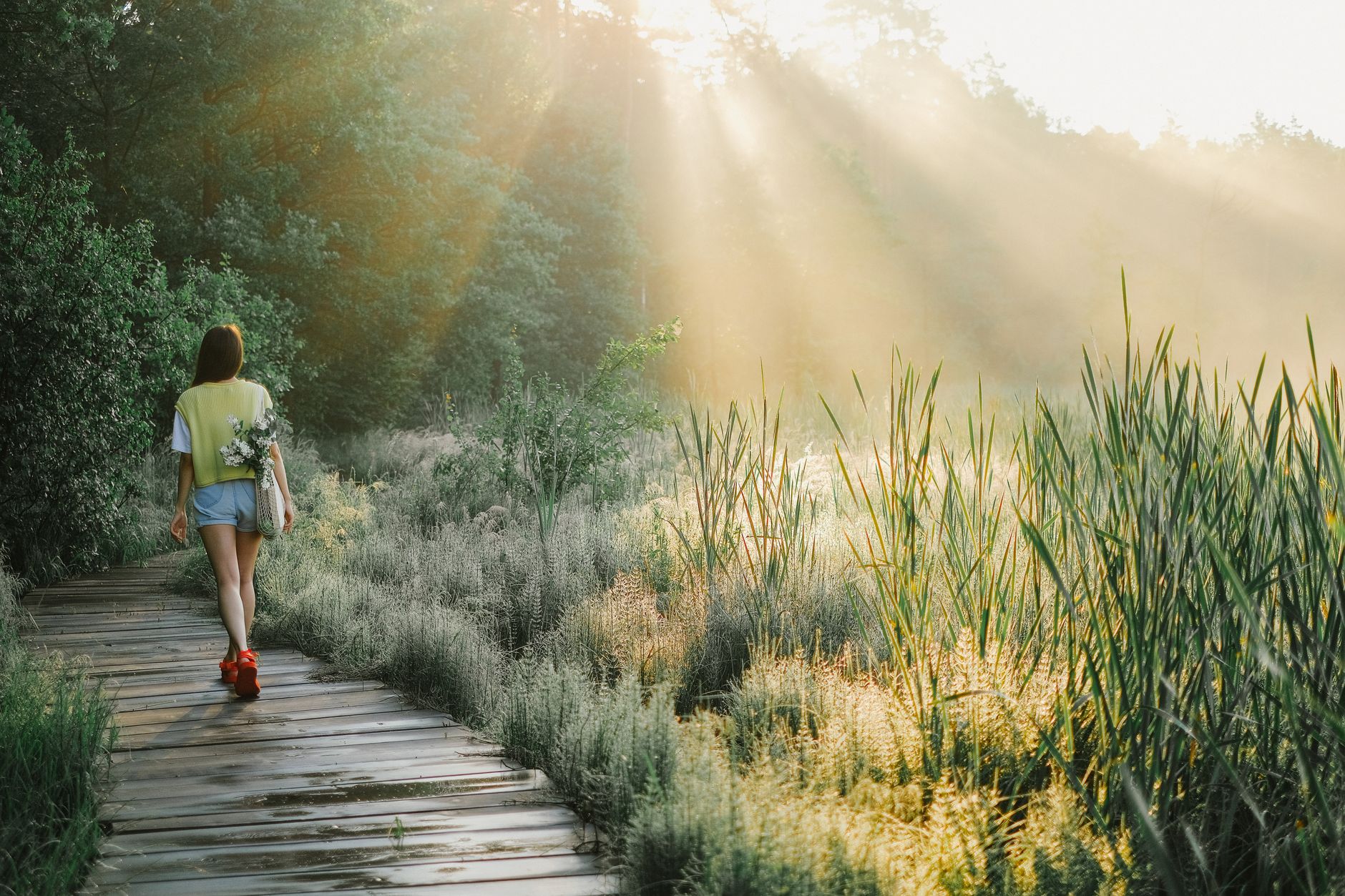
Morning light is not just pleasant. It's the primary signal your body uses to set its internal clock, and getting it right changes everything downstream: how alert you feel by 10am, how well you hold focus through the afternoon, and how easily you fall asleep that night. A morning light ritual costs nothing and takes less than 15 minutes. Most people skip it entirely.
Why light is your body clock's master signal
Your circadian rhythm runs on roughly a 24-hour cycle, but it needs daily anchoring. Without a consistent morning light cue, the clock drifts. You feel tired at the wrong times, awake when you should be winding down, and your sleep quality degrades over days or weeks without any obvious cause.
The mechanism is specific. Light enters through the retina and travels to the suprachiasmatic nucleus (SCN), a small cluster of around 20,000 neurons in the hypothalamus. The SCN then triggers a cascade: cortisol rises to sharpen alertness, melatonin production is suppressed, and body temperature begins its morning climb. This cascade is meant to happen early. When it doesn't, the whole system runs late.
Artificial indoor light is too dim to fully activate this response. A well-lit office delivers around 300 to 500 lux. Outdoor light on a cloudy morning delivers 10,000 lux. Bright sunshine reaches 100,000 lux. The difference is not marginal. Your eyes need that signal from outside, and they need it within the first hour of waking.
How to build the ritual step by step
The simplest version takes three steps. Wake, get outside within 30 minutes, and stay out for at least 10 minutes without sunglasses. That's the core. Everything else refines it.
If you already have a mindful walking practice, combine them. A 15-minute walk after waking, done without sunglasses and facing roughly east (or wherever your morning light comes from), delivers both the light signal and the physical reset in a single habit. Done consistently, it becomes the strongest single anchor for your body clock.
If outdoor access is limited, stand near an open window or door rather than behind glass. Standard window glass blocks a significant portion of the UV spectrum and reduces lux considerably. It's better than nothing, but it isn't the same. Even a small balcony or courtyard works.
Timing matters more than duration. Ten minutes of outdoor light at 7am is more effective than 30 minutes at 10am. The SCN is most sensitive to light in the first hour after waking, when the morning cortisol spike is already building. Catching that window amplifies both effects.
What to avoid in the first hour
Two habits directly undermine your morning light ritual. The first is reaching for your phone before going outside. Screen light at close range triggers the visual cortex and elevates cortisol before the natural signal has had time to land, which muddies the timing. The second is wearing sunglasses during your morning light exposure. Standard sunnies can reduce retinal light intake by 90 per cent or more, which is exactly the wrong direction.
Coffee timing is worth considering too. Caffeine blocks adenosine receptors, which are the same receptors that build sleep pressure through the day. Delaying your first coffee by 60 to 90 minutes after waking lets cortisol peak naturally before caffeine layers on top. The result is a smoother energy curve without the mid-morning crash that most people assume is just how they function.
If you pair your morning light ritual with a deliberate morning routine for calm, keep the light exposure as the first anchor and build everything else around it. Light first, then movement, then food, then caffeine. That sequence respects the order your biology already expects.
Evening light matters just as much
A morning light ritual works best when you also limit bright light in the evening. The two signals are paired. Morning light says "day is beginning" and sets the timer for when melatonin will rise again. Bright evening light, particularly blue-spectrum light from screens and overhead LEDs, tells the SCN the day is still going, which delays melatonin by one to three hours.
Practical steps for the evening side are simple: dim overhead lights after 8pm, switch screens to warm colour settings, and spend at least 30 minutes screen-free before bed. This doesn't require expensive equipment. A single warm-toned lamp and a book will do it.
Your sleep environment deserves attention too. The room should be dark enough that you can't see your hand in front of your face, and cool enough that your core temperature can drop. For most people that means somewhere between 17 and 19 degrees Celsius. Creating a calming bedtime environment handles the physical conditions; the morning light ritual handles the biological timing. Both matter.
How long before you notice a difference
Three to five days of consistent morning light exposure is usually enough to feel a shift in sleep onset. Full circadian re-anchoring, if your clock has drifted significantly, takes closer to two weeks. The key variable is consistency. Missing one morning doesn't ruin it, but alternating between light exposure and sleeping in will keep the system unstable.
People who travel across time zones or who work rotating shifts find this practice indispensable, because it's the fastest way to reset the clock without medication. The same mechanism works for anyone whose sleep has been disrupted by stress, life changes or simple bad habits.
Start tomorrow. Set your alarm 15 minutes earlier than usual, skip the phone, walk outside, and face the light. Do it every morning for a week. The improvement in sleep quality by day five is usually enough to make the habit self-reinforcing.
Your body already knows how to sleep well. It just needs the right signal at the right time, every morning, to remember how.